
833-278-7842

Imagine turning your neighborhood park into a vibrant destination where every detail, from benches to tables, invites people to gather and enjoy. The right park furniture can completely transform public spaces, reflecting both modern design trends and community needs.
This 2026 guide will empower you to select park furniture that is durable, inclusive, and trend-forward. Whether you are an urban planner, landscape architect, or community leader, you will gain practical knowledge to create beautiful and functional parks.
We will explore the latest trends, innovative materials, sustainability, inclusivity, safety, budgeting, and step-by-step strategies to help you make the best choices for your park furniture projects.
Imagine a city park that feels alive with activity, conversation, and comfort. The right park furniture does more than provide a place to sit. It shapes how people connect, experience nature, and create memories. As urban spaces evolve, park furniture plays a central role in fostering community, expressing identity, meeting diverse needs, and advancing sustainability.

Park furniture fosters vibrant community life. Benches, tables, and seating areas give people a place to pause, interact, and enjoy the outdoors. Well-placed park furniture encourages relaxation, supports socialization, and increases accessibility for all ages.
Parks with ample seating report 20% higher visitor satisfaction, according to Kompan data.
Park furniture supports public events, outdoor classrooms, and wellness activities.
Upgrades in seating can lead to significant increases in foot traffic and community engagement.
For those seeking durable and attractive options, Outdoor Benches for Parks offer a variety of solutions that blend function with inviting design. Thoughtful park furniture choices build a foundation for lasting connections.
Park furniture does more than serve a function, it defines the look and feel of an urban space. When furniture integrates with landscaping, art, and signage, parks gain a unique identity and memorable character.
Cohesive design is achieved through:
Themed collections that reflect a park’s purpose.
Strategic placement to highlight views and features.
Color and material choices that reinforce branding.
For example, collections like Rumba and Agora help parks stand out and create a sense of place. Park furniture is an essential tool for expressing the spirit of a community.
As city populations diversify, park furniture must adapt to new user needs. Trends show a rise in seniors, families with young children, and multicultural groups visiting parks.
Inclusive park furniture supports:
Multi-generational gatherings.
Accessibility for strollers, wheelchairs, and mobility aids.
Cultural preferences in seating and gathering spaces.
Kompan research notes a 15% increase in demand for inclusive design in public projects. By choosing park furniture that serves everyone, cities ensure their spaces remain welcoming and relevant.
Today’s cities prioritize sustainability in every aspect, including park furniture. Eco-friendly materials and amenities are now standard features in many urban parks.
Sustainable park furniture includes:
Recycled plastics and sustainably sourced woods.
Integration with recycling stations and bike racks.
Low-impact finishes and energy-efficient features.
These solutions help parks meet green planning goals and demonstrate a commitment to environmental stewardship. Park furniture is no longer just about comfort, it is a vital part of a city’s sustainability strategy.
The landscape of park furniture is evolving rapidly as urban spaces adapt to new needs and expectations. In 2026, decision-makers must balance aesthetics, functionality, and inclusivity to create environments that welcome every visitor. Let us explore the leading trends shaping park furniture this year, from stylish designs and sustainable materials to smart features and safety innovations.
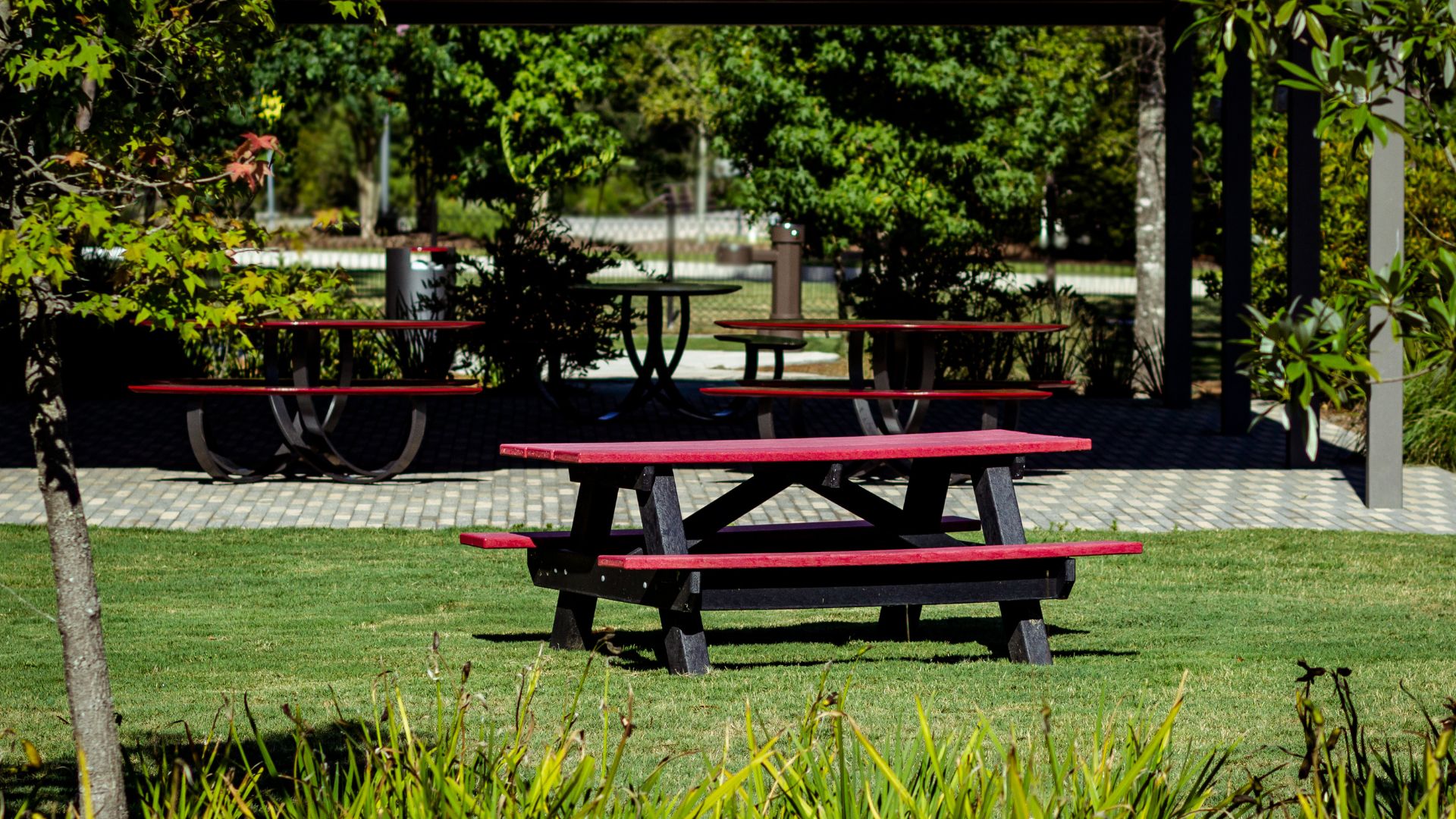
Park furniture design in 2026 leans toward contemporary, modular, and organic forms. Curved benches and mixed-material pieces, such as those in the Rumba collection, are gaining popularity. These designs not only offer visual appeal but also invite flexible seating arrangements.
Customizable color palettes allow parks to reflect unique identities or community branding. Themed collections, like Rumba and Agora, help define a park's character and create a cohesive look. According to 2026 Outdoor Furniture Trends, modular designs and biophilic elements are increasingly in demand, supporting both aesthetics and function.
Emphasizing form and function ensures that park furniture enhances both the visual and social atmosphere of public spaces.
Material innovation is at the forefront of park furniture trends. Manufacturers are prioritizing recycled plastics, powder-coated metals, and sustainably sourced woods. These materials provide superior durability and require less maintenance, reducing long-term costs.
Table: Material Comparison for Park Furniture
|
Material |
Durability |
Maintenance |
Sustainability |
|---|---|---|---|
|
Recycled Plastic |
High |
Low |
Excellent |
|
Powder-Coated Metal |
High |
Low |
Good |
|
FSC Wood |
Medium |
Medium |
Excellent |
Industry reports show that 40 percent of new park furniture installations now use recycled or upcycled materials. This shift supports both environmental goals and budget efficiency.
Sustainability remains a top priority in park furniture selection for 2026. Demand for carbon-neutral and cradle-to-cradle certified products continues to rise. Many new collections incorporate solar-powered charging stations and lighting, reducing grid dependence.
Premium lines now feature reclaimed barnwood and FSC-certified timber, offering both beauty and environmental responsibility. Municipalities often require recyclable components for park furniture, ensuring a smaller ecological footprint.
By choosing eco-friendly solutions, parks contribute to broader urban sustainability and appeal to environmentally conscious visitors.
Smart park furniture is transforming the user experience. Integrated Wi-Fi, device charging ports, and interactive digital panels are becoming standard features. These additions support community engagement, educational programs, and accessibility.
Solar-powered technology powers many of these features, further enhancing sustainability. Smart benches and tables can be reconfigured for events or changing needs, maximizing flexibility.
Connected furniture also helps park managers gather usage data, supporting better planning and resource allocation.
Inclusivity defines the direction of park furniture in 2026. Designs now accommodate wheelchair users, seniors, and children, reflecting a commitment to universal access. Features such as accessible picnic tables, benches with armrests, and tactile surfaces are increasingly common.
Case studies, like the Agora picnic tables, showcase how inclusive seating options foster community participation. Parks that prioritize accessibility report higher visitor satisfaction and broader community use.
Universal design principles ensure that every park visitor feels welcome and comfortable.
Multi-functional park furniture is now a standard expectation. Modular systems can be rearranged for events, classes, or changing user needs. Hybrid pieces, such as seating that doubles as play structures or planters, make the most of limited space.
This flexibility supports diverse activities, from relaxation to recreation. Parks benefit from furniture that adapts over time, ensuring long-term relevance and value.
Choosing modular and versatile pieces helps future-proof park environments against shifting trends and community needs.
Safety and security are at the core of modern park furniture trends. Anti-graffiti coatings, tamper-proof fasteners, and rounded edges are standard features that protect both users and investments.
Compliance with ADA and local safety regulations is non-negotiable. Slip-resistant surfaces and secure anchoring prevent accidents and misuse.
Park managers increasingly choose vandal-resistant finishes and robust construction to minimize maintenance and extend furniture lifespan. This focus on safety ensures that public spaces remain inviting and accessible for all.
Selecting the right park furniture is about more than aesthetics. It means balancing user needs, durability, maintenance, comfort, safety, integration with park themes, and budget. Each decision shapes the long-term success and satisfaction in your public spaces.

Understanding who uses a park and how they use it is the foundation of effective park furniture selection. Conduct visitor surveys, observe activities, and analyze demographic data to identify primary needs.
For example, parks with playgrounds benefit from seating nearby for supervising adults. In areas popular for group gatherings, prioritize large tables and shaded picnic spots. Consider how park furniture will support activities like resting, exercising, or socializing to ensure every visitor finds value.
Park furniture must withstand constant exposure to the elements. Materials should be chosen for their ability to resist UV rays, moisture, rust, and temperature fluctuations.
In coastal or high-rainfall regions, opt for rust-proof metals and rot-resistant woods. Recycled plastics are also gaining popularity for their resilience and low maintenance. Investing in weather-resistant finishes extends the lifespan of park furniture and reduces replacement frequency.
Factoring in long-term maintenance is crucial when evaluating park furniture. Consider cleaning schedules, ease of repairs, and the frequency of replacement parts.
For instance, metal options often require less upkeep than wood, while recycled plastic offers both durability and easy cleaning. Compare lifecycle costs by analyzing the expected lifespan, maintenance needs, and total replacement expenses. This approach ensures your investment is sustainable over time.
|
Material |
Maintenance |
Lifespan |
Cost |
|---|---|---|---|
|
Metal |
Low |
15+ years |
Moderate |
|
Wood |
Moderate |
10-15 years |
Moderate |
|
Recycled Plastic |
Very Low |
20+ years |
Low-High |
Comfort is non-negotiable in park furniture design. Ensure seating heights accommodate a wide range of users, with supportive backrests and armrests where possible.
Accessibility also matters. ADA-compliant designs provide clear ground space and suitable transfer heights for wheelchair users. Prioritizing inclusive features means everyone, from children to seniors, can enjoy the park comfortably and safely.
Safety is a core consideration in public spaces. All park furniture must meet local codes, ADA guidelines, and playground safety standards.
Look for rounded edges, slip-resistant surfaces, and secure anchoring systems. Regularly inspect installations to ensure ongoing compliance and minimize risk. This proactive approach protects both users and park managers.
Visual harmony enhances a park’s appeal. Select park furniture that complements landscaping, signage, and architectural elements.
Themed collections, like rustic or urban styles, can reinforce a park’s unique identity. For inspiration, explore collections that offer cohesive designs across benches, tables, and accessories, helping to create a welcoming atmosphere for all visitors.
Budget planning should balance initial investment with durability and ongoing expenses. Evaluate the full cost of park furniture, including purchase, installation, and maintenance over time.
Leverage grants, public-private partnerships, and phased installations to maximize funding. For commercial-grade, long-lasting options fit for parks and urban spaces, review resources like Commercial Rustic Furniture Solutions. Compare warranties, product support, and vendor reputation when making a final decision.
Transforming your park into a welcoming destination begins with a strategic approach to choosing the right park furniture. This step-by-step guide will walk you through each phase, ensuring your investment enhances the space for years to come.

Start by clarifying the vision for your park furniture project. Are you aiming to increase accessibility, support community events, or simply refresh outdated amenities? Identify the primary goals early.
Engage all stakeholders from the outset. This includes city officials, local residents, accessibility advocates, and maintenance staff. Their insights will help shape a shared vision that meets both functional and aesthetic needs.
A clear scope sets the foundation for every decision that follows.
Conduct a thorough site analysis before selecting park furniture. Review the park's layout, pedestrian flow, sun and shade patterns, and terrain. Take note of existing infrastructure, such as pathways, lighting, and utilities.
Map out integration points for new furniture. Consider how benches, tables, and waste receptacles will fit with landscaping and circulation routes. Identifying challenges, like uneven ground or high-traffic zones, will guide suitable choices.
This assessment prevents costly mistakes and ensures seamless installation.
Understanding who uses your park is vital when choosing park furniture. Gather data on visitor demographics, including age, mobility, and activity preferences. Are families, seniors, or teens the primary users?
Prioritize inclusivity by considering multi-generational needs. For example, parents may appreciate benches near playgrounds, while seniors value shaded seating and supportive armrests.
This user-centric approach ensures the park furniture truly serves everyone.
Budgeting for park furniture involves more than just purchase costs. Estimate expenses for installation, site preparation, and long-term maintenance. Include contingency funds for unexpected issues.
Explore funding sources such as municipal budgets, grants, or sponsorships. Set a timeline that accounts for procurement, delivery, and seasonal factors affecting installation.
A well-planned budget and schedule keep your project on track and prevent delays.
Investigate a range of park furniture styles, materials, and vendors. Compare product warranties, durability, and maintenance requirements. Request product samples or mockups for hands-on evaluation.
Consider collections that match your design theme. For example, the Rustic Outdoor Furniture Collection offers robust options suitable for parks and public spaces.
Create a comparison table to weigh pros and cons:
|
Vendor |
Material |
Warranty |
Maintenance |
|---|---|---|---|
|
Vendor A |
Metal |
10 years |
Low |
|
Vendor B |
Recycled Plastic |
15 years |
Minimal |
|
Vendor C |
Wood |
5 years |
Moderate |
A thorough review ensures you select park furniture that aligns with your goals.
Opt for park furniture made from recycled or sustainably sourced materials. Assess lifecycle impacts, including energy use, recyclability, and end-of-life options.
Look for low-maintenance finishes and vandal-resistant features. Consider how easily damaged parts can be replaced, and factor in cleaning schedules.
Sustainable choices reduce environmental impact and lower long-term costs.
Verify that all park furniture meets local safety codes, ADA requirements, and playground standards. Prioritize designs with smooth edges, slip-resistant surfaces, and secure anchoring systems.
Plan safe placement, such as keeping benches a safe distance from active play zones or pathways. Document all compliance checks for future reference.
Safety and accessibility are non-negotiable in public spaces.
Involve stakeholders in the final decision-making process. Present shortlisted options, gather feedback, and address any concerns.
Negotiate contracts with vendors, ensuring clear terms for warranties, delivery, and installation. Confirm that all specifications match your project goals.
A transparent procurement process builds trust and accountability.
Oversee professional installation to ensure proper anchoring and alignment. Schedule a walkthrough to check for defects or adjustments needed.
After installation, collect user feedback to assess satisfaction and identify improvement areas. Use these insights for future park furniture upgrades or maintenance planning.
A post-installation review ensures your investment continues to meet community needs.
Innovations in materials are reshaping how park furniture is designed and used in public spaces. As cities focus more on sustainability, choosing the right materials becomes crucial. Material choices impact not only aesthetics but also the lifespan, maintenance, and environmental footprint of park furniture. This shift is driving new standards for durability, eco-friendliness, and style.
Modern park furniture increasingly relies on recycled plastics, reclaimed wood, and eco-friendly composites. These materials not only reduce waste but also extend product life and minimize maintenance. The Rumba and Agora collections, for example, incorporate recycled content to deliver both performance and environmental benefits.
Manufacturers are also exploring innovative blends that combine strength with sustainability. This approach results in park furniture that withstands heavy use while supporting green initiatives. By prioritizing these advancements, cities can create inviting spaces that reflect their commitment to the environment.
Reclaimed woods bring a unique character to park furniture while promoting resource conservation. Options like barnwood and FSC-certified timber offer both natural beauty and longevity. These materials resist weathering and maintain their appeal for years, making them ideal for benches, tables, and other outdoor fixtures.
Durable woods also help reduce lifecycle costs. Their inherent resistance to rot and pests means less frequent replacement and fewer repairs. Choosing reclaimed wood aligns with sustainability goals and supports responsible forestry practices.
Sustainable park furniture is not just about materials but also how it is made. Leading manufacturers use powder coating, water-based finishes, and energy-efficient production techniques to lower their environmental impact. These processes reduce emissions and conserve resources.
For those seeking eco-friendly solutions, exploring Sustainable Lawn & Patio Furniture can provide inspiration and practical options. Attention to manufacturing details ensures park furniture is both attractive and responsible.
The journey of park furniture does not end at installation. More cities are implementing programs to refurbish, recycle, or repurpose old furniture, closing the loop and reducing landfill waste. Over 30% of municipalities now require that new park furniture components be recyclable.
This circular approach supports long-term sustainability. By planning for end-of-life recycling, communities can continually update their parks while minimizing environmental impact. It is a proactive strategy for greener urban spaces.
Cities across the globe are embracing all-recycled-material park furniture in new developments. Case studies highlight parks that have achieved LEED or other green certifications by prioritizing sustainable choices. These examples demonstrate that innovation and sustainability can go hand in hand.
By learning from these leaders, communities can set higher standards for their own parks. Investing in sustainable park furniture ensures lasting value, beauty, and environmental responsibility.
Creating truly inclusive park furniture is essential for welcoming every visitor. By prioritizing accessibility and comfort, parks become spaces where everyone can relax, play, and connect with ease.
Universal design ensures that park furniture is usable by people of all ages and abilities. This approach emphasizes features such as clear ground space for mobility devices, appropriate seat heights, and tactile elements for those with visual impairments.
Key principles include:
Providing sufficient maneuvering space around benches and tables.
Using contrasting colors for better visibility.
Incorporating tactile surfaces for wayfinding.
By following these guidelines, park furniture becomes more welcoming and functional for everyone.
Thoughtfully designed park furniture enhances comfort and independence for seniors, children, and visitors with disabilities. Features like armrests and higher seat heights make sitting and standing easier for older adults.
For children and individuals with mobility challenges, accessible tables provide room for wheelchairs, while sensory-friendly benches help those with sensory sensitivities. Adding back support and stable surfaces further ensures safety and ease of use.
Involving the community in park furniture selection leads to better outcomes. Engaging people with disabilities and local families in design workshops or surveys uncovers specific needs and preferences.
This collaborative process:
Builds trust and ownership.
Identifies barriers that might be overlooked.
Inspires creative, user-centered solutions.
Ultimately, community engagement results in park furniture that truly reflects and serves its users.
All new park furniture should comply with ADA and international accessibility standards. This includes specifications for seat heights, transfer spaces, and clear pathways.
Recent data shows that 90% of new US park projects now include ADA-compliant seating. Consistent compliance not only meets legal requirements, but also demonstrates a commitment to equity and inclusion within public spaces.
Modern park furniture trends highlight the importance of collections that cater to diverse users. Popular lines like Agora and Anita offer layouts with accessible seating, contrasting colors, and clear signage for easy navigation.
Customization is also on the rise, allowing parks to choose features that best fit their community. According to 2026 Furniture Trends, curved silhouettes and warm, earthy palettes are shaping the look of inclusive outdoor furniture, combining both function and style.
Effective budgeting and lifecycle planning for park furniture ensures long-term value and satisfaction for both communities and park managers. By focusing on total cost, maintenance, funding, and vendor support, you can make informed decisions that stand the test of time.
When selecting park furniture, it is essential to look beyond the initial purchase price. Total cost of ownership includes installation, routine care, and potential repairs over a ten-year period. For example, recycled plastic benches may have a higher upfront cost but require less maintenance than wood.
Aesthetics and current trends also influence budgeting. Choosing furniture that aligns with 2026 Interior Design Trends can boost park appeal, but it is critical to balance style with practical longevity. Always factor in replacement schedules and the expected lifecycle of each material.
Regular maintenance is key to extending the lifespan of park furniture. Establish a schedule for cleaning, seasonal inspections, and prompt repairs. Modular or replaceable components simplify upkeep and minimize downtime.
Select finishes that resist graffiti and corrosion, especially in high-traffic or urban areas. Document each maintenance task to track costs and spot recurring issues, helping you optimize your strategy for future park furniture investments.
Securing funding for park furniture can involve multiple sources. Municipal budgets often cover basic needs, but grants from state or federal programs can support upgrades. Public-private partnerships and non-profit grants are additional avenues to explore.
Cities that leverage diverse funding sources can phase installations, spreading costs over several years. Research available grants and align proposals with community goals, such as sustainability or accessibility, to improve your success rate.
Vandalism and daily wear are realities for public park furniture. Choose finishes that are easy to clean and resistant to damage. Secure anchoring systems help deter theft and misuse.
Engage the community with stewardship programs to foster pride and reduce misuse. Regular monitoring and prompt repairs discourage further vandalism, ensuring the park furniture remains inviting for all visitors.
Robust warranties and reliable vendor support are crucial for protecting your park furniture investment. Evaluate vendors based on product reputation, warranty terms, and responsiveness to service requests.
Choose partners who demonstrate a commitment to sustainability and customer care. Clear communication about support policies ensures you receive timely assistance if issues arise, maximizing the value of your park furniture over its full lifecycle.


