


Log Furniture Guide: Your Essential Handbook for 2026
Few design elements rival the enduring allure of log furniture. In 2026, this classic choice is captivating both interior and outdoor spaces, setting a new standard for natural beauty and inviting warmth.
The resurgence of log furniture brings together rustic charm with the best in modern sustainability and expert craftsmanship. These pieces offer a unique way to transform any room, delivering remarkable durability, eco-friendly materials, and a style that never goes out of date.
This essential handbook is your trusted guide for 2026. Inside, you will find expert tips on selecting, caring for, integrating, and purchasing log furniture. Explore the rich history, latest trends, material options, buying advice, maintenance strategies, design inspiration, and the future of sustainable rustic living.
The Evolution of Log Furniture: From Tradition to 2026 Trends
Log furniture has a rich legacy, blending natural beauty with enduring functionality. Its evolution from humble beginnings to a design mainstay in 2026 tells a story of adaptation, innovation, and renewed appreciation for authentic craftsmanship.

Early Origins: Roots in North America
Log furniture traces its origins to indigenous communities and early settlers across North America. These groups relied on local timber, hand tools, and time-honored joinery to build functional pieces. The abundant forests provided the raw materials, while necessity drove the creation of durable, utilitarian log furniture. Over time, these designs reflected the environment and culture, setting the foundation for the rustic aesthetic that still defines the category today.
Iconic Styles: The Log Cabin Influence
Classic log cabin style is instantly recognizable. Thick, rounded logs, visible knots, and natural finishes create a sense of warmth and permanence. These iconic elements shaped how log furniture is perceived, inspiring generations of makers. The log furniture of historic cabins was often handcrafted, with each piece unique to its maker. This tradition influenced today's emphasis on authenticity and visible craftsmanship.
Style |
Key Features |
Influence Today |
|---|---|---|
Log Cabin |
Rounded logs, natural knots |
Rustic interiors |
Adirondack |
Slatted seats, outdoor focus |
Patio & garden pieces |
Mission |
Straight lines, simple forms |
Modern rustic blends |
Modern Resurgence: From Cabins to Contemporary Homes
In recent decades, log furniture has expanded beyond mountain lodges and rural retreats. Homeowners seek its organic character for both city apartments and suburban homes. The appeal lies in the blend of natural materials and sturdy construction. Log furniture now appears in high-end resorts, boutique hotels, and even urban lofts, demonstrating its versatility and natural beauty.
Consumer Preferences and the Role of Technology
Today’s buyers demand more than nostalgia. There is a strong shift toward handcrafted, sustainable, and locally sourced log furniture. Consumers look for authenticity, but also expect modern comfort and environmental responsibility. Technology has transformed the craft—CNC machinery and advanced joinery techniques allow for precise, durable, and customizable pieces. These innovations ensure that log furniture can meet contemporary needs while honoring its roots.
Designer Collaborations and Market Growth
Partnerships between skilled artisans and interior designers have brought fresh perspectives to log furniture. Between 2024 and 2025, several notable collaborations resulted in award-winning collections, blending rustic materials with modern forms. Market data reflects this momentum: rustic furniture sales have surged by 20% since 2023, signaling growing enthusiasm for natural, handcrafted pieces. This renewed interest supports both small workshops and established brands, fueling further innovation.
2026 Trends: Where Tradition Meets Innovation
Looking ahead, 2026 is set to redefine log furniture for a new generation of homeowners. Expect to see mixed-material designs, where logs are paired with metal, glass, or stone for a modern twist. Minimalist log furniture, featuring clean lines and lighter finishes, will gain traction in urban spaces. Eco-friendly finishes and responsibly sourced wood will become essential, reflecting consumer values and industry standards. For more on what’s driving these changes, explore 5 Reasons to Embrace Log Furniture in 2026.
The evolution of log furniture demonstrates how enduring design, innovative craftsmanship, and sustainability can intersect to create pieces that are both beautiful and built to last.
Types of Log Furniture: Materials, Styles, and Key Features
Exploring the many types of log furniture reveals just how versatile and enduring this style can be. Whether you are seeking a rustic statement piece or a modern accent, understanding the different materials, styles, and construction techniques is essential. Each choice impacts the appearance, durability, and overall feel of log furniture in your home or outdoor space.

Common Wood Species Used
The wood species selected for log furniture dramatically influences its look, strength, and suitability for specific environments. Pine remains a favorite for its affordability and light color, often showcasing attractive knots. Cedar is another top choice, valued for its natural resistance to insects and weather, making it ideal for outdoor log furniture.
Aspen offers a lightweight option with unique grain patterns, perfect for blending rustic and modern styles. Hickory stands out for durability and density, supporting high traffic or heavy use. According to a 2025 consumer survey, cedar and pine are the most preferred woods for indoor log furniture, thanks to their balance of beauty and practicality.
Popular Log Furniture Styles
Log furniture styles range from classic to contemporary, offering something for every design preference. The rustic or traditional style features chunky forms, natural edges, and prominent wood grain. Modern rustic designs incorporate sleeker lines, lighter finishes, and often mix materials for a fresh look.
Scandinavian-inspired log furniture uses pale woods and minimalist forms, focusing on function and subtle elegance. Industrial rustic styles blend metal accents and reclaimed wood, bringing urban appeal into the mix. In fact, minimalist log benches were recognized in 2025 design awards, highlighting the evolving creativity in log furniture.
Indoor Log Furniture Pieces
Indoor spaces can be transformed with a range of log furniture, from beds and bunk beds to dining tables, benches, and chairs. Living rooms benefit from log sofas, coffee tables, TV stands, and end tables, while bedrooms often feature log dressers, armoires, and nightstands. Aspen log bedroom sets have become especially popular in mountain resorts, valued for their rustic charm and comfort.
For those interested in the finer details of log beds, Log Beds: 4 Special Features You Should Look For offers expert insight into craftsmanship and design considerations that make log furniture stand out in any room.
Outdoor Log Furniture Pieces
Outdoor log furniture is designed to withstand the elements while providing comfort and style. Common pieces include Adirondack chairs, swings, benches, and gliders, each crafted to invite relaxation. Dining options like picnic tables and outdoor dining sets help create inviting alfresco spaces.
Accessories such as pergolas, fire pit seating, and wooden planters add both function and beauty. The use of weather-resistant finishes and advanced joinery techniques ensures durability. According to 2025 outdoor furniture reports, cedar log swings are consistently among the top sellers for their resilience and timeless appeal.
Key Features and Construction Techniques
The construction of log furniture relies on time-honored techniques for both strength and visual appeal. Mortise and tenon joints are common, providing robust connections that stand the test of time. Dovetail drawers enhance both durability and the quality of craftsmanship.
The choice between hand-peeling and machine-milling impacts the texture and authenticity of each piece, as well as its price. Protective finishes, such as water-based or oil-based coatings with UV protection, help preserve the wood. A 2024 survey found that buyers value handcrafted joinery most when choosing log furniture.
Customization and Personalization Options
Customization is a key advantage of log furniture, allowing homeowners to tailor pieces to fit unique spaces and personal tastes. Options include custom dimensions, various stains, paints, and clear coats to match any décor. Accessories such as built-in storage, integrated lighting, and distinctive hardware further enhance functionality.
Personal touches like engraving, inlays, or bespoke designs make each piece one of a kind. For example, custom log dining tables are increasingly commissioned by hospitality venues seeking exclusive, memorable furnishings that highlight the unique appeal of log furniture.
How to Choose Log Furniture: A Step-by-Step Buying Guide for 2026
Selecting the right log furniture can transform your living space into a haven of rustic elegance. This step-by-step guide will help you navigate the process with confidence, ensuring each piece you choose fits your lifestyle, budget, and design vision.
Step 1: Assess Your Space and Needs
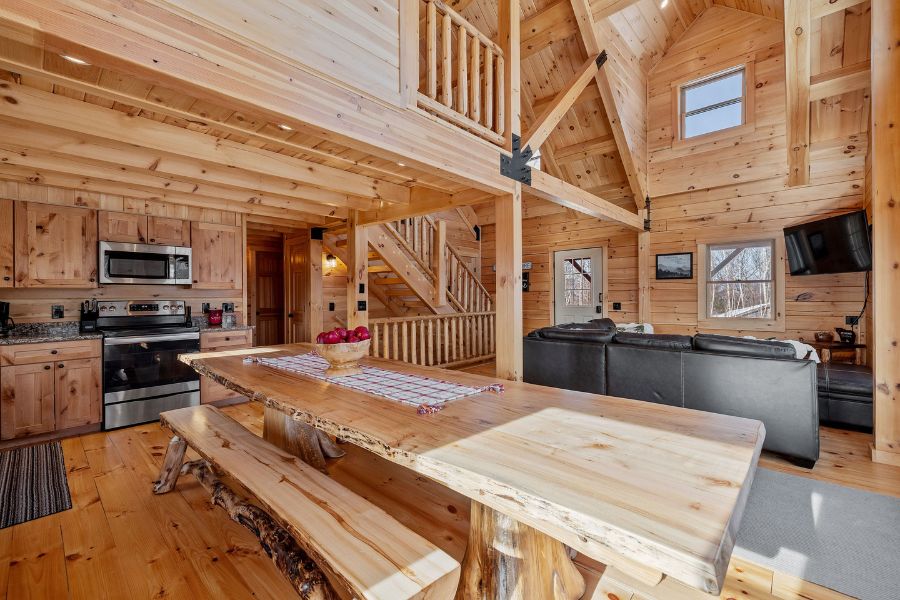
Begin by evaluating your space before investing in log furniture. Measure each room carefully, noting doorways, windows, and any architectural features that could affect placement.
Consider the function of each area. Are you furnishing a high-traffic family room, a cozy bedroom, or an outdoor patio? Log furniture comes in many forms, so define whether you need daily-use pieces, statement accents, or specialized storage.
Next, review your existing décor and color palette. Log furniture pairs beautifully with both traditional and modern interiors, but selecting the right size and finish will ensure harmony. For open-plan living rooms, modular log seating can offer flexibility while maximizing comfort.
Step 2: Set a Realistic Budget
A thoughtful budget sets the tone for a successful log furniture purchase. Prices vary depending on wood species, craftsmanship, and any custom features you select.
Here is a quick overview of typical price ranges:
Item Type |
Price Range (USD) |
|---|---|
Bed Frames |
$800 - $3,000 |
Dining Tables |
$700 - $2,500 |
Outdoor Sets |
$600 - $2,200 |
Quality, artisan-made log furniture may cost more up front, but its durability offers long-term value. In 2025, the average household spent around $2,500 on log furniture, reflecting its enduring appeal. Explore financing options or payment plans if needed, and prioritize pieces that will have the most impact in your home.
Step 3: Evaluate Quality and Craftsmanship
Quality is key when choosing log furniture. Inspect each piece for solid wood construction, avoiding veneers or composites that may not withstand years of use.
Look for sturdy joinery, such as mortise and tenon or dovetail drawers, which signal expert craftsmanship. Hand-finished surfaces, smooth sanding, and protective coatings enhance both durability and beauty. Ask about the artisan’s credentials or any certifications that demonstrate skill and commitment to quality.
Handcrafted log beds, for example, can last over 20 years with proper care. For more insights on selecting and maintaining high-quality log furniture, visit Log Furniture: Ideas for Choosing & Maintaining.
Step 4: Consider Sustainability and Sourcing
Sustainability is increasingly important in the log furniture market. Choose pieces made from FSC-certified or reclaimed wood to support responsible forestry practices.
Locally made furniture often has a lower environmental footprint and supports regional artisans. Eco-friendly finishes and adhesives are also worth seeking out, as they reduce indoor air pollution and enhance the longevity of your investment.
A growing trend in 2025 is the use of reclaimed barnwood for log tables, which brings unique character and supports eco-conscious living. Always ask about the origin of the wood and the manufacturing process before making your final decision.
Step 5: Compare Retailers and Warranties
Take time to evaluate different retailers before purchasing log furniture. Consider both online and brick-and-mortar shops, comparing return policies, delivery options, and assembly services.
Warranty coverage can vary, so review the terms for both structure and finish. Reputable retailers typically offer clear return policies and responsive customer service. In 2025, top log furniture retailers received an average customer rating of 4.8 out of 5, reflecting high satisfaction with quality and service.
Customer reviews and ratings provide valuable insight into real-world experiences. Look for detailed feedback about durability, delivery, and post-purchase support.
Step 6: Plan for Delivery and Installation
Once you have selected your log furniture, plan ahead for a smooth delivery and installation. Made-to-order pieces may require longer lead times, so confirm your timeline and any shipping costs in advance.
Some retailers offer free delivery or white-glove service, which includes in-home assembly and setup. Review the assembly requirements, particularly for larger items like log beds or dining tables. Measure doorways, stairwells, and hallways to ensure each piece can be delivered without issue.
Professional installation can be worth the investment for oversized or complex items, ensuring your log furniture is set up safely and securely.
Log Furniture Care and Maintenance: Maximizing Longevity
Preserving the beauty and durability of log furniture is essential for maximizing your investment and enjoyment. With the right maintenance, log furniture can last for generations, maintaining its rustic charm and structural integrity. This section outlines practical steps for cleaning, protection, repair, seasonal care, and pest management, ensuring your log furniture remains a timeless feature in your home or outdoor space.
Cleaning Best Practices
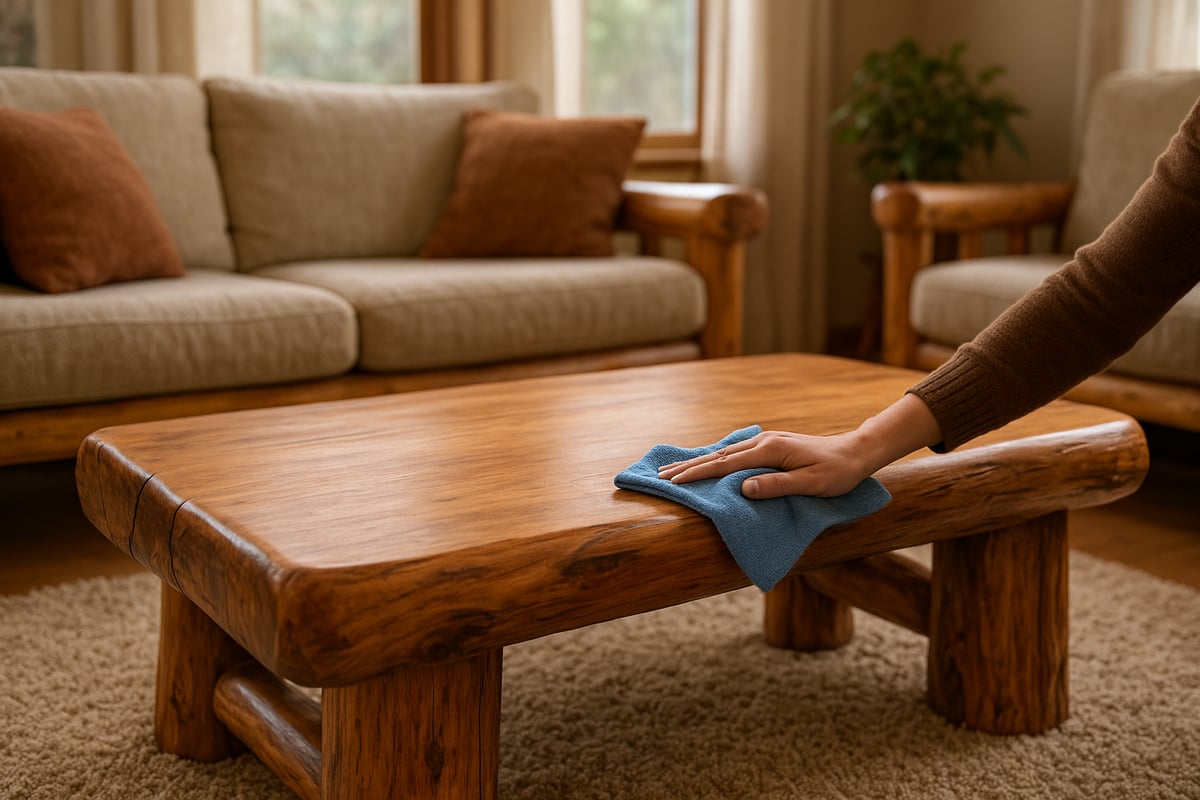
Regular cleaning helps prevent buildup of dust and grime on log furniture surfaces. Start by dusting with a soft, dry microfiber cloth, which captures fine particles without scratching the wood. For deeper cleaning, use a mild soap diluted in water or a wood-safe spray. Always avoid harsh chemicals or abrasive pads, as these can damage finishes and wood fibers.
Table: Safe Cleaning Options for Log Furniture
Cleaning Method |
Suitable For |
Notes |
|---|---|---|
Microfiber Cloth |
Daily dusting |
Gentle, non-abrasive |
Mild Soap Solution |
Occasional deep cleaning |
Use damp cloth, dry immediately |
Wood-Safe Spray |
Stain removal |
Spot test before full application |
Routine care preserves the natural look of log furniture and extends its lifespan. Remember to dry surfaces thoroughly after cleaning to prevent moisture absorption, which can lead to warping or mildew.
Protection Against Environmental Factors
Environmental changes can significantly impact log furniture. Managing indoor humidity is crucial, as excessive moisture can cause swelling while dry air may lead to cracks. Ideally, maintain humidity levels between 35% and 55% using a humidifier or dehumidifier as needed.
Direct sunlight can fade finishes and dry out the wood. Position log furniture away from harsh sunlight or use window treatments to filter rays. For added protection, choose UV-resistant finishes during purchase or refinishing.
Temperature fluctuations, especially near windows or heat sources, can stress the wood. Place log furniture in stable environments whenever possible. According to a 2024 study, implementing these measures can extend the lifespan of log furniture by up to 30%.
Repairing and Refinishing Log Furniture
Over time, log furniture may develop scratches, dents, or surface blemishes. Minor marks can often be addressed with gentle sanding and touch-up stain. For deeper damage, professional refinishing may be required to restore the original appearance and protect the wood.
When refinishing, always follow the manufacturer's recommendations for compatible products. Reapply protective finishes periodically to shield the surface from moisture and wear. Common options include water-based or oil-based finishes, each offering unique benefits for log furniture preservation.
DIY repairs are suitable for small areas, but larger or structural repairs should be handled by skilled professionals to maintain safety and value. Regular inspection and prompt attention to issues keep log furniture looking its best.
Seasonal Maintenance for Outdoor Pieces
Outdoor log furniture requires special attention to withstand the elements. Before winter or wet seasons, thoroughly clean and seal each piece to prevent moisture penetration. Use weather-resistant covers or store furniture indoors during harsh conditions.
Inspect joints and hardware regularly for signs of rust or loosening. Tighten connections and treat metal parts as needed. Annual maintenance, such as resealing and cleaning, can keep cedar log benches and swings in top condition for over a decade.
For a detailed overview of outdoor care strategies and product recommendations, consult the Rustic Outdoor Porch Furniture Guide, which offers expert insights into weatherproofing and seasonal protection for log furniture.
Preventing and Managing Pests
Pest management is a key aspect of log furniture care. Watch for small holes, fine sawdust, or tapping sounds, which can indicate wood-boring insects. Opt for log furniture made from kiln-dried wood, as this process eliminates most pests and reduces infestation risk by 95%.
Natural repellents, such as cedar oil, can deter insects without harming the environment. Regularly inspect both indoor and outdoor pieces, especially in humid or wooded areas. Address any signs of infestation promptly to maintain the integrity and longevity of your log furniture.
Proactive care and preventive measures ensure your log furniture remains a lasting, beautiful feature in any setting.
Log Furniture Design Inspiration: Integrating Rustic Charm Into Modern Spaces
Blending the warmth and authenticity of log furniture into modern spaces is easier than ever in 2026. Designers are increasingly pairing log furniture with sleek lines and minimalist décor, allowing the organic beauty of wood to stand out. This approach emphasizes contrast, such as a chunky log coffee table alongside a modern sectional or glass accents.
Trends highlight the successful fusion of log furniture with Scandinavian and industrial themes, creating inviting yet sophisticated interiors. According to Rustic Furniture Trends 2025, homeowners are seeking authenticity and sustainability, making log furniture a go-to for those wanting to bridge rustic tradition with contemporary flair.
Blending Log Furniture with Contemporary Décor
Log furniture can seamlessly anchor a space when integrated with modern elements. To achieve a balanced look, start with one or two signature pieces, such as a log dining table or bed frame, and surround them with contemporary furnishings.
Contrast plays a central role. Pair the rich texture of log furniture with smooth glass, matte metals, or soft fabrics. Light, neutral color schemes allow the wood’s grain to shine. Designers often use log furniture as a focal point, ensuring the room feels both grounded and fresh.
Themed Rooms and Outdoor Retreats
Designers love using log furniture to create themed spaces, from cozy cabins to refined farmhouse retreats. In bedrooms, a log bed instantly sets a rustic tone, while in living rooms, log accent chairs and tables establish a lodge-inspired mood.
Outdoors, log furniture transforms patios and gardens into inviting retreats. Log swings, benches, and pergolas make alfresco spaces ideal for relaxation. Hospitality venues, like glamping resorts, frequently feature log furniture to evoke comfort and connection with nature.
Accessorizing and Styling Tips
Accessories elevate log furniture and help it blend with various aesthetics. Layering throws and pillows in soft, natural fabrics adds warmth and visual interest. Area rugs define seating areas and soften the look.
Lighting is also key. Lanterns, sconces, or string lights highlight the texture of log furniture and create ambiance. Wall art and natural décor elements, such as antler chandeliers or botanical prints, further enhance the rustic-modern appeal, making each space uniquely welcoming.
Case Studies and Real-Life Examples
Recent interiors showcase how log furniture can transform both homes and cabins. Award-winning projects from 2025 and 2026 highlight custom log bedroom suites that blend rustic craftsmanship with contemporary layouts.
Before-and-after makeovers demonstrate the dramatic impact of log furniture, especially in vacation properties. According to a 2025 Houzz survey, log furniture ranked as the top trend for getaway homes, reflecting its enduring popularity. One standout example is a family cabin revitalized with a bespoke log bedroom set, combining durability with timeless charm.
Sustainability and the Future of Log Furniture
Sustainability is shaping the future of log furniture as consumers, designers, and manufacturers prioritize environmental responsibility. The demand for log furniture is not only about rustic charm, but also about making choices that support the planet’s wellbeing. Today’s buyers want assurance that the log furniture in their homes is both beautiful and ethically produced.
Responsible forestry practices are essential for the sustainability of log furniture. Many leading brands now source wood from FSC-certified forests, ensuring that every tree harvested is replaced and that local ecosystems remain healthy. This approach guarantees that log furniture is not contributing to deforestation or habitat loss, making it a responsible choice for eco-conscious consumers.
The reclaimed and upcycled log furniture market is thriving. Designers and artisans are transforming old barns, fallen trees, and salvaged structures into one-of-a-kind pieces. This not only reduces waste, but also brings unique character and history into every item. Homeowners appreciate the story behind reclaimed log furniture, knowing that their tables or beds once had a previous life.
Advancements in eco-friendly finishes and adhesives are further improving the sustainability profile of log furniture. Water-based stains and low-VOC sealants are now widely used, providing protection without harmful emissions. This shift benefits both indoor air quality and the environment, ensuring that log furniture remains a healthy addition to any space.
Supporting local artisans and small-batch production is another key trend. When log furniture is crafted locally, it minimizes transportation emissions and supports regional economies. Small workshops often prioritize handcraftsmanship and ethical sourcing, adding both quality and transparency to the process.
Transparency in sourcing and manufacturing is increasingly expected. According to a 2026 market forecast, the eco-friendly rustic furniture sector is projected to grow by 18 percent, driven by consumer demand for clear supply chains and sustainable options. Many brands now offer full traceability, allowing buyers to follow their log furniture from forest to finished product. Industry reports and resources such as Sustainability in Furniture Manufacturing highlight this shift, emphasizing the importance of responsible sourcing and innovation.
Looking ahead, sustainable log furniture will continue to rise in popularity across both urban lofts and rural retreats. As technology advances, expect more options for customization, mixed materials, and finishes that are gentle on the environment. The future of log furniture is rooted in tradition, yet branches out boldly toward a greener, more transparent world.