
833-278-7842

Demand for the rugged dining table is soaring in both homes and commercial spaces as we head into 2026. Homeowners and designers are seeking furniture that delivers both lasting strength and bold visual appeal.
This guide will help you navigate the world of rugged dining tables, focusing on style, durability, and smart selection strategies. Discover why a rugged dining table is the ideal blend of durability, aesthetics, and versatility for any modern interior.
You will learn what sets these tables apart, explore trending styles, understand material strength, and get expert advice on choosing and caring for your table. Ready to find the perfect fit? Let’s begin.
Rugged dining tables are redefining what homeowners and businesses expect from dining furniture. In today’s interiors, people seek tables that withstand daily use, offer lasting value, and bring distinctive style to the space. But what exactly sets a rugged dining table apart from standard options? Let’s break down the qualities, materials, and construction methods that make these tables a leading choice for both homes and commercial environments.
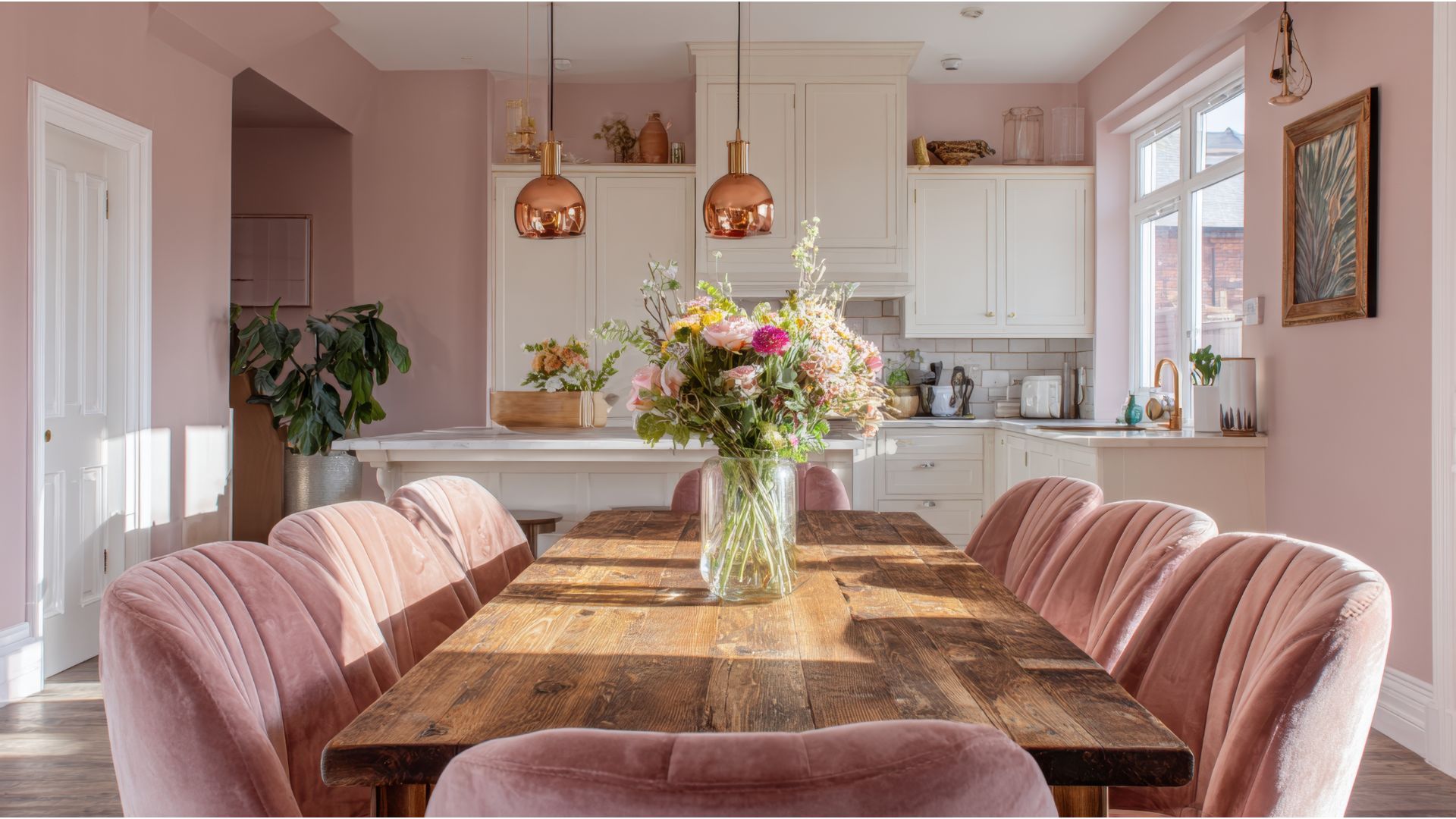
A rugged dining table stands out for its exceptional durability, robust build, and resistance to everyday wear. Unlike lighter, mass-market tables, these pieces are engineered for longevity. They often feature thick tabletops, reinforced legs, and solid joinery, ensuring stability even in high-traffic settings.
What makes a table truly rugged? It’s the combination of dense materials and expert construction. For example, collections like the Rugged Dining Tables Collection showcase pieces designed to last decades, not just years. Features such as mortise-and-tenon joints and heavy-duty hardware set these tables apart.
According to Furniture Today, 65% of buyers in 2025 cited durability as their top priority when purchasing dining furniture. This demand has fueled the popularity of rugged dining tables in both modern homes and commercial spaces.
The choice of material is crucial to a rugged dining table’s performance and appeal. Solid hardwoods like oak, maple, and walnut are top choices, valued for their strength and rich grain patterns. Reclaimed wood, especially barnwood, offers unique character and eco-friendly credentials. Metal accents, such as steel or iron legs, add further stability and an industrial edge.
Here’s a quick comparison:
|
Material |
Strength |
Appearance |
Sustainability |
|---|---|---|---|
|
Oak |
Very high |
Classic, warm |
Widely available |
|
Maple |
High |
Light, clean |
Sustainable |
|
Walnut |
High |
Dark, elegant |
Limited supply |
|
Reclaimed Wood |
Varies |
Rustic, unique |
Eco-friendly |
|
Metal Accents |
Excellent |
Industrial, bold |
Recyclable |
A rugged dining table made from reclaimed barnwood fits beautifully in farmhouse interiors and speaks to sustainable sourcing trends. While hardwoods offer unmatched resilience, they require responsible harvesting to protect forests. Reclaimed options help reduce environmental impact while providing one-of-a-kind style.
The craftsmanship behind a rugged dining table is just as important as the materials. Superior joinery methods, such as mortise-and-tenon or dowel reinforcements, create joints that resist loosening over time. Welded metal frames can further increase a table’s weight capacity and overall stability.
Handcrafted tables often boast meticulous attention to detail. In commercial environments, some park-grade tables have been documented to last over 20 years, a testament to expert construction. These tables typically feature thicker tops and reinforced bases, allowing them to withstand heavy daily use.
Comparing handcrafted and mass-produced rugged dining tables reveals key differences. Handcrafted pieces, built by skilled artisans, tend to offer better longevity, unique details, and higher-quality finishes. Mass-produced tables may save on cost but often compromise on structure and durability, which can affect long-term satisfaction.
The rugged dining table is at the forefront of 2026 interior design, blending both durability and bold style. As demand rises in homes and commercial spaces, new trends are shaping the way these tables look and function. Designers and homeowners are seeking pieces that offer substance, impact, and versatility to suit modern living.
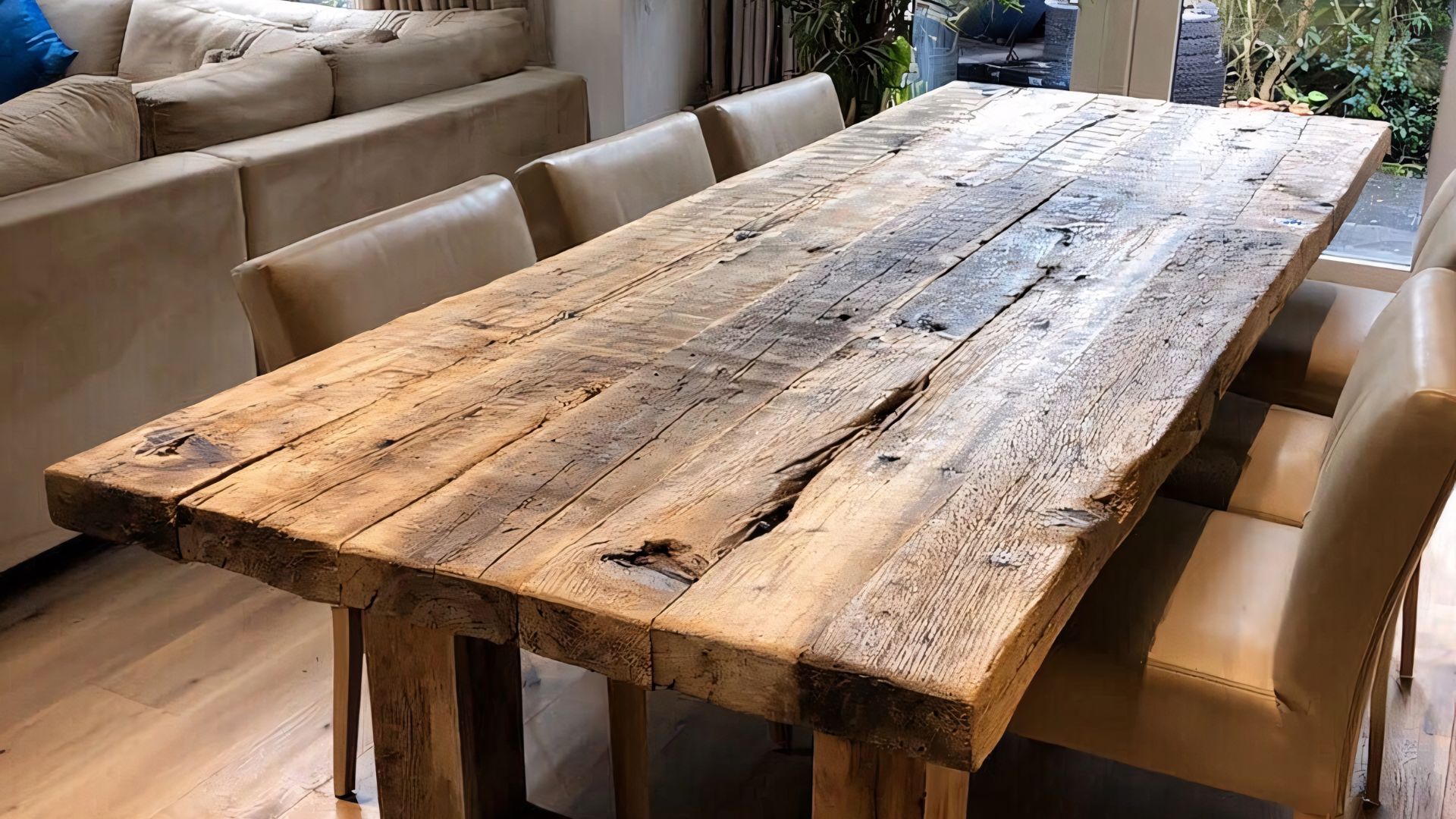
One of the most prominent trends for the rugged dining table in 2026 is the fusion of modern rustic and industrial styles. Modern rustic design emphasizes the beauty of natural wood, often showcasing visible grain and knots, while incorporating clean, sleek lines for a contemporary twist. Industrial influences bring metal legs, exposed bolts, and utilitarian finishes into the mix, creating tables that are both visually striking and structurally sound.
Mixed-material tables are gaining significant traction, capturing 30% of the market share in 2025 according to Statista. These tables often feature a combination of solid wood tops and powder-coated steel frames, balancing warmth and strength. The rugged dining table in this style is particularly popular in open-concept and loft-style homes, where its bold presence becomes a focal point.
Key characteristics of this trend include:
Thick, substantial tabletops
Reinforced metal or wood legs
Minimalist silhouettes with rustic textures
This blend not only enhances durability but also ensures the rugged dining table stands out in any modern setting.
Live edge tables are redefining the rugged dining table category, offering organic forms and natural beauty that appeal to a wide audience. The live edge design preserves the natural contour of the wood, making each piece unique. These tables often feature matte, oil-rubbed, distressed, or natural wax finishes, all of which highlight the authenticity of the material.
As statement pieces, live edge rugged dining tables command attention in dining rooms, providing both function and artistry. Designer collections are showcasing slabs of walnut or oak paired with steel bases, merging raw nature with industrial resilience. For those interested in exploring this trend further, the Live Edge Dining Table Designs collection offers a curated selection of these sought-after styles.
The rugged dining table with a live edge finish is not just about looks. Its construction ensures longevity, making it a smart investment for both homes and businesses. Whether finished in a subtle matte or a hand-rubbed oil, these tables remain practical and easy to maintain.
Customization is transforming the rugged dining table market in 2026. Buyers are increasingly seeking made-to-order tables that reflect their unique tastes and fit perfectly within their spaces. Custom sizing, finishes, and even engraved details are in high demand, allowing each table to become a one-of-a-kind piece.
Matching the rugged dining table style to existing décor is essential for a cohesive look. Many manufacturers now offer extensive customization options, from wood species selection to edge profiles and hardware choices. This trend is supported by data from Furniture Retailer Insights, which reports that 42% of buyers in 2025 preferred customizable dining furniture.
As more consumers value individuality, the rugged dining table is evolving to offer not just durability and style, but also the opportunity for true personalization. This approach ensures every table is as unique as the home or business it serves.
Choosing a rugged dining table means paying close attention to the materials, construction methods, and durability that set these pieces apart. Understanding how each element contributes to strength will help you invest wisely for both style and longevity.
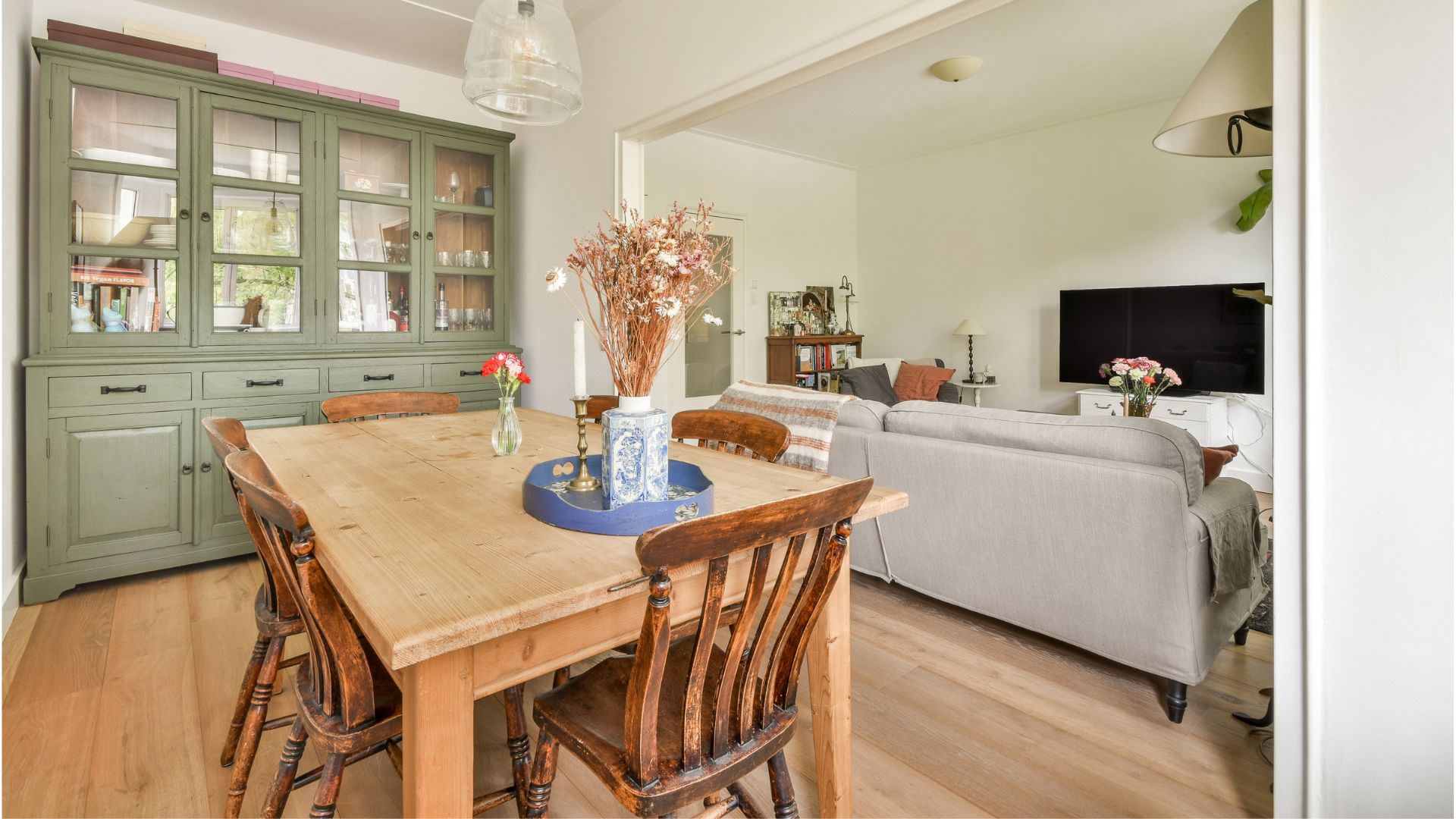
The foundation of any rugged dining table is its wood. Hardwoods like oak, walnut, hickory, and maple are favored for their impressive strength and resistance to daily wear. Reclaimed wood, especially barnwood, has surged in popularity for both its sustainability and robust nature.
Here's a quick comparison using the Janka hardness scale, which measures a wood’s resistance to denting:
|
Wood Type |
Janka Hardness (lbf) |
Notable Features |
|---|---|---|
|
Oak |
1,290 |
Classic, durable |
|
Maple |
1,450 |
Dense, smooth grain |
|
Walnut |
1,010 |
Rich color, moderate hard |
|
Hickory |
1,820 |
Extremely tough |
|
Reclaimed Oak |
1,290+ |
Eco-friendly, unique grain |
A rugged dining table built from these materials will stand up to years of use, whether in a family home or a busy restaurant. For those interested in eco-friendly options, Barnwood Dining Table Options offer sustainable choices without sacrificing strength.
Many rugged dining table designs now incorporate metal for added stability. Steel, iron, and sometimes aluminum are used to reinforce legs, frames, and hardware. These metals resist warping, prevent wobbling, and ensure the table holds up under frequent use.
Steel bases provide exceptional load-bearing capacity.
Iron accents add visual weight and durability.
Aluminum is lightweight and rust-resistant.
Hybrid wood-metal tables are especially popular in high-traffic spaces, where both style and ruggedness are essential. A rugged dining table with metal reinforcements is less likely to suffer from structural fatigue, supporting your investment for the long term.
The craftsmanship behind a rugged dining table is just as important as the materials. Traditional joinery techniques like mortise-and-tenon, dovetail, and dowel joints create strong, lasting connections between table parts.
Look for these signs of quality:
Visible, tight-fitting joints
Reinforced corners and leg connections
Absence of visible screws or shortcuts
Studies show that tables with traditional joinery last twice as long as those assembled with only screws or basic hardware. Superior build quality translates directly to a longer lifespan and better performance for your rugged dining table.
Assessing the real-world strength of a rugged dining table is crucial before purchasing. In-store, gently rock the table to check for movement. Inspect the underside for solid joinery and sturdy hardware.
Online shoppers should ask these key questions:
What is the table’s tested load capacity?
Are there any structural warranties?
What materials and joinery methods are used?
Some brands offer lifetime structural guarantees, providing peace of mind that your rugged dining table will remain a reliable centerpiece for years.
Choosing the perfect rugged dining table is a significant investment for any home or business. With so many styles, materials, and features available, a thoughtful approach ensures you select a table that meets both your aesthetic and practical needs. Follow this step-by-step guide to make a confident, informed decision.
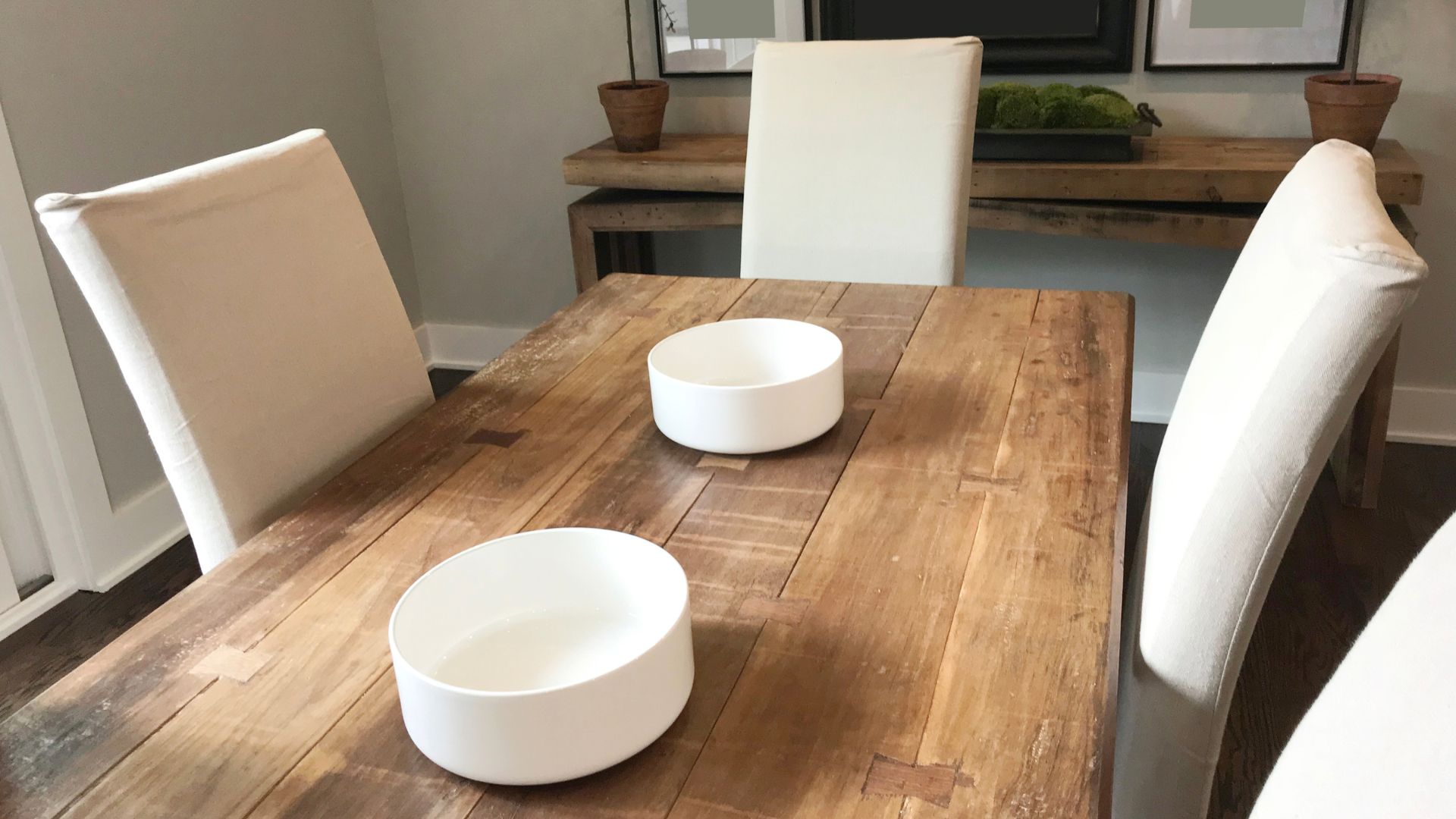
Begin by evaluating your dining area. Measure the length and width of the room, taking note of doorways, walkways, and other furniture. This helps determine the maximum table size without overcrowding the space.
Consider how many people you typically host. Do you need a rugged dining table for family meals, large gatherings, or commercial use? Different shapes suit different rooms. Rectangular tables work best in long, narrow spaces, while round or square tables fit cozier areas.
Think about flexibility. Expandable tables or benches can offer additional seating when needed. Prioritize flow and comfort to ensure the rugged dining table enhances your daily routine.
Establishing a clear budget streamlines your search for a rugged dining table. Prices vary widely based on materials, craftsmanship, and size. On average, expect to spend more on solid hardwood or custom pieces, with reclaimed and handcrafted tables commanding premium pricing.
Investing in quality pays off over time. While a mass-produced table may cost less upfront, a well-constructed rugged dining table offers greater durability and long-term value. Market data from 2025 indicates an 18% increase in average spend, reflecting consumers’ willingness to pay for lasting quality.
Balance your desired features with your budget to avoid overspending. Remember to account for delivery, assembly, and potential customization costs.
The choice of material significantly impacts the durability and appearance of your rugged dining table. Solid hardwoods like oak, walnut, and maple are known for strength and resilience. Reclaimed wood offers unique character and sustainability, while metal accents add stability and an industrial touch.
Use the table below to compare common options:
|
Material |
Durability |
Appearance |
Maintenance |
|---|---|---|---|
|
Oak |
High |
Classic, grainy |
Moderate |
|
Walnut |
High |
Rich, dark tones |
Moderate |
|
Reclaimed Wood |
Very High |
Rustic, unique patina |
Low-Moderate |
|
Metal Blends |
High |
Industrial, modern |
Low |
Families with children or pets may prefer scratch-resistant finishes. Matte or oil-rubbed surfaces hide wear, while glossy finishes require more upkeep. Match your selection to your lifestyle for a table that stands up to daily demands.
A rugged dining table’s longevity relies on its construction quality. Inspect the joinery—mortise-and-tenon, dovetails, or dowels offer superior strength compared to basic screws or staples. Check the table’s weight, stability, and finish.
Use this quick checklist:
Is the table sturdy with no wobble?
Are joints tight and well-finished?
Is the surface smooth and even?
Are hardware and reinforcements substantial?
Handcrafted tables often include maker’s marks or certificates of authenticity. Superior craftsmanship ensures your rugged dining table will endure years of use, even in high-traffic environments.
Align your rugged dining table with your home’s décor and your personal taste. Consider whether you prefer modern rustic, industrial, or farmhouse-inspired designs. Customization options—such as size, finish, or engraving—allow you to create a truly unique piece.
Many buyers seek tables that reflect their individuality. Custom tables can be tailored to fit open-plan spaces or serve multiple functions. For further inspiration and to explore complete setups, refer to the Rustic Dining Room Furniture Guide for curated collections and design ideas.
Personalization enhances the connection between your furniture and your living space, making the rugged dining table a centerpiece for years to come.
Logistics matter when purchasing a rugged dining table. Look for brands offering white-glove delivery and professional assembly to ensure your table arrives in perfect condition. Review warranty details—many reputable makers provide lifetime structural guarantees.
Understand return policies before purchasing. Free delivery and 30-day returns are common among top brands, offering peace of mind. Proper assembly and support services protect your investment, especially for large and heavy tables.
A clear understanding of these policies simplifies the buying process and reduces the risk of post-purchase issues.
Before making a final decision, research the reputation of both the brand and the specific rugged dining table model. Read customer reviews for insights into quality, durability, and after-sales service.
Look for red flags such as frequent complaints about craftsmanship or poor customer support. High ratings, detailed testimonials, and transparent company practices are indicators of reliability.
According to Consumer Reports, 78% of buyers consult reviews before purchasing a dining table. Taking this step ensures you choose a rugged dining table that consistently meets expectations.
Proper care is essential to preserve the beauty and durability of your rugged dining table. With the right maintenance routine, you can ensure your table remains a stunning centerpiece for years. Below, discover expert tips for cleaning, protecting, and extending the life of your rugged dining table.
Daily maintenance starts with gentle cleaning. Use a soft, damp cloth to wipe the surface of your rugged dining table, removing crumbs and dust without scratching the finish. Avoid harsh chemicals, as these can damage protective coatings or alter the natural patina.
For best results, consider the type of finish. Water-based cleaners work well on lacquered surfaces, while oil-rubbed or wax finishes respond better to dry or slightly oiled cloths. Placemats and coasters are essential for protecting against heat, spills, and scratches. Table pads add an extra layer of defense during gatherings or family meals.
Here is a quick comparison of cleaning products:
|
Finish Type |
Recommended Cleaner |
Caution |
|---|---|---|
|
Matte/Distressed |
Damp soft cloth |
Avoid abrasives |
|
Oil-rubbed/Wax |
Oiled soft cloth |
No ammonia products |
|
Lacquered |
Water-based spray |
No bleach |
Sticking to a regular cleaning schedule helps your rugged dining table maintain its resilience and style.
Even the sturdiest tables can develop scratches or dents over time. To prevent damage, lift items instead of dragging them and use felt pads under decorative objects. If accidents happen, minor scratches on a rugged dining table with a matte finish can often be buffed out with a touch-up pen or fine steel wool.
For deeper dents or gouges, wood filler and a matching stain can restore appearance. Stains from spills should be addressed immediately with a gentle blotting motion, never scrubbing, to avoid spreading. If a finish becomes worn or discolored, light sanding and reapplication of oil or wax can refresh the look.
For complex repairs, especially on unique finishes or live edge surfaces, seek professional restoration. This ensures your rugged dining table retains its structural integrity and aesthetic value, especially for tables featuring trends highlighted in Dining Table Trends 2026.
Wood responds to changes in humidity and temperature, so position your rugged dining table away from direct heat sources and sunlight. Using a humidifier in dry months can prevent cracking, while good airflow helps avoid warping during humid seasons.
Rotate your table’s position or switch seating arrangements periodically to prevent uneven fading from sunlight. This simple step keeps the color and finish consistent across the entire surface.
Proper long-term care can extend your rugged dining table’s lifespan by up to 50 percent, according to industry data. Regular inspections for loose joints or hardware, along with timely touch-ups, help preserve both the strength and beauty of your investment.
The future of the rugged dining table is shaped by innovation, sustainability, and evolving consumer needs. As we look ahead to 2026 and beyond, homeowners and designers are prioritizing eco-friendly practices, integrated technology, and bold new styles. These trends ensure the rugged dining table remains a top choice for both residential and commercial interiors.
Sustainability is at the forefront of the rugged dining table market. More brands are sourcing reclaimed wood, such as barnwood or salvaged beams, to reduce environmental impact. FSC-certified materials are becoming standard, ensuring forests are managed responsibly.
Manufacturers are also adopting zero-VOC finishes and water-based sealants to minimize indoor air pollution. These innovations not only protect the environment but also enhance the health and longevity of each rugged dining table. As a result, buyers can choose pieces that are both stylish and eco-conscious, supporting a greener future.
Technology is transforming the rugged dining table into a multi-purpose centerpiece. Tables now feature integrated charging ports, making it easy to power devices during meals or work sessions. Extendable leaves and modular designs add flexibility, perfect for small gatherings or large celebrations.
Some tables are built with hidden storage or adjustable heights, adapting to various needs throughout the day. This focus on smart functionality ensures that the rugged dining table is not only strong and stylish but also highly practical for modern lifestyles.
Aesthetic trends for 2026 celebrate individuality and versatility. Bold finishes, mixed materials, and artisanal details are increasingly popular, allowing each rugged dining table to serve as a true statement piece. According to Dining Room Trends 2026, sculptural forms and customizable options are on the rise.
More brands enable buyers to select wood species, finishes, and edge profiles, creating one-of-a-kind tables. Technology is also making customization easier, with virtual design tools helping customers visualize their ideal rugged dining table before purchase.


