
833-278-7842

Envision walking into your dining room and seeing a farmhouse dining room table that instantly feels like the heart of your home. Choosing the right table is not just about style—it is about creating a welcoming space for family and friends to gather, share meals, and build memories.
In this ultimate 2026 guide, you will discover everything needed to select a farmhouse dining room table that matches your lifestyle, fits your space, and complements your décor. We will guide you through styles, sizing, materials, finishes, shopping tips, and care so your investment remains beautiful and functional for years.
Step into a space filled with warmth, rustic charm, and natural simplicity. The farmhouse dining room table is the heart of this inviting aesthetic. Understanding the history and essential features of farmhouse style helps you make confident choices for your own home.
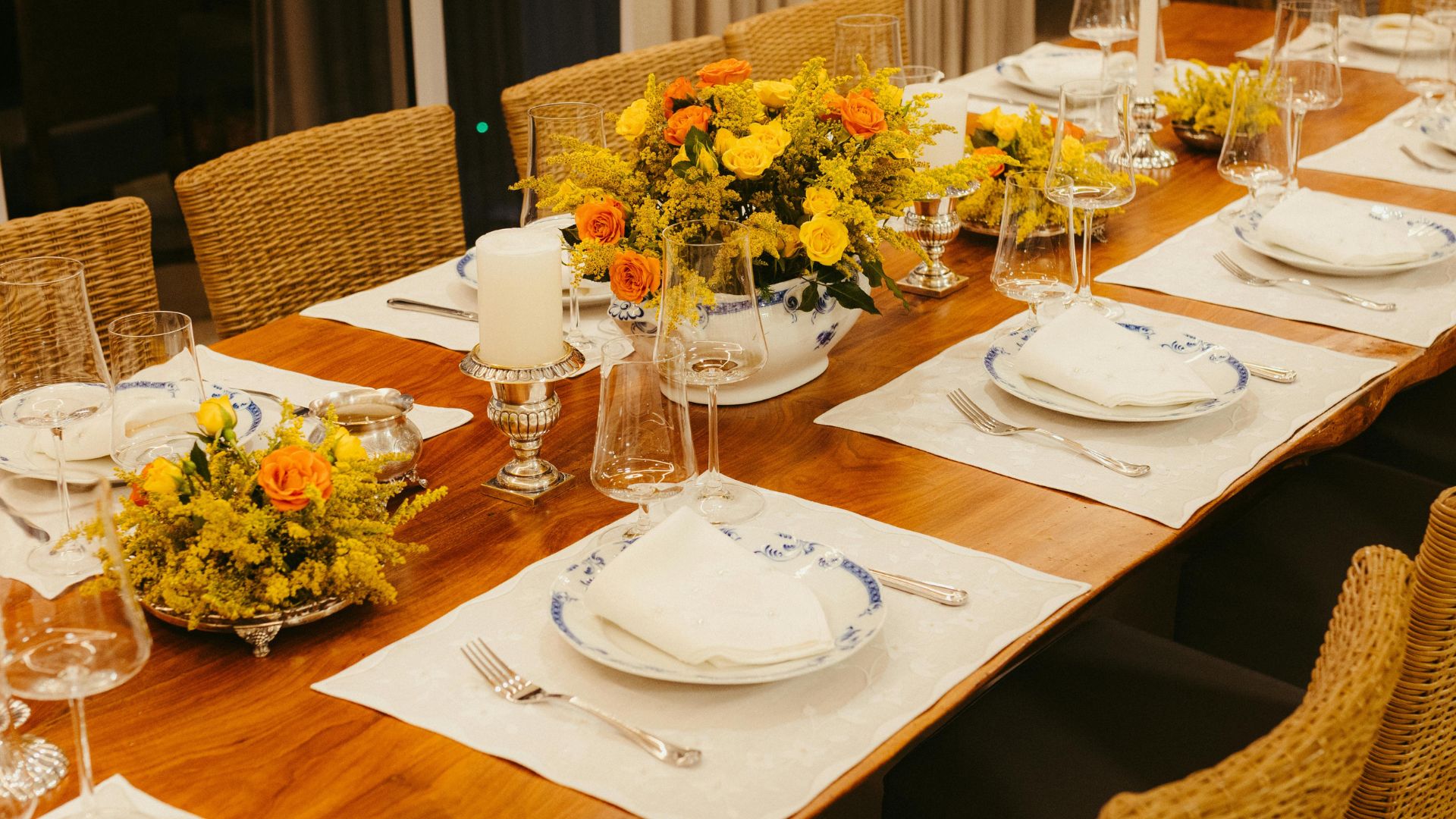
At its core, the farmhouse dining room table captures rustic elegance and a sense of home. Inspired by rural farmhouses, these tables feature sturdy construction, honest materials, and a welcoming vibe. Key design elements include plank tops, turned or tapered legs, and finishes that showcase natural wood grain.
What sets the farmhouse dining room table apart from modern or ornate traditional tables? It's the blend of craftsmanship and comfort. Details like visible joinery, distressed surfaces, and practical proportions add to the enduring appeal. For a deeper look at authentic design details, explore the Farmhouse Dining Table Design Elements guide.
In 2026, the farmhouse dining room table remains a versatile centerpiece, with several styles leading the trend:
Classic Rectangular Tables: Timeless in silhouette, perfect for both everyday meals and large gatherings.
Trestle Tables: Feature open bases that maximize legroom and seating flexibility.
Pedestal Tables: Round or oval shapes encourage intimate conversation and fit well in smaller spaces.
Live Edge and Reclaimed Wood Tables: Each piece is unique, offering eco-friendly charm and character.
Expandable Tables: Built-in leaves allow your farmhouse dining room table to adapt for hosting guests.
Seating trends also evolve. Bench seating is gaining popularity, offering a casual look and maximizing capacity, while traditional chairs remain a staple. The farmhouse dining room table adapts to both, letting you blend comfort and style.
|
Style |
Key Features |
Seating Options |
|---|---|---|
|
Rectangular |
Plank top, turned legs |
Chairs, benches |
|
Trestle |
Open base, historic inspiration |
Chairs, benches |
|
Pedestal |
Central support, round/oval top |
Chairs |
|
Live Edge/Reclaimed |
Natural edges, eco-friendly |
Chairs, benches |
|
Expandable |
Removable leaves, flexible hosting |
Chairs, benches |
The farmhouse dining room table comes in two main interpretations: modern farmhouse and rustic farmhouse. Modern farmhouse tables feature cleaner lines, subtle distressing, and muted colors. These pieces fit seamlessly with contemporary interiors.
Rustic farmhouse tables embrace the charm of age, with heavy distressing, reclaimed wood, and chunky hardware. This style celebrates imperfections, giving each farmhouse dining room table a story to tell.
Many homeowners blend both styles, mixing industrial metal accents or vintage details with classic shapes. According to 2025 and 2026 design surveys, both substyles are highly sought after, with customization allowing for unique combinations in every home.
Personalizing your farmhouse dining room table ensures it fits your lifestyle and taste. Custom options include choosing stains, finishes, and hardware. Tabletop shapes and edge profiles can be tailored for a unique look.
You might select matching benches for a cohesive set or mix seating types for added interest. While custom tables offer individuality and craftsmanship, ready-made options deliver convenience and shorter lead times. Consider your priorities when deciding which path aligns with your needs.
Selecting the perfect farmhouse dining room table requires careful attention to both size and layout. The right table not only fits your space but also creates a welcoming environment for gatherings, meals, and daily life. Let’s break down the essential steps to ensure your new table feels just right in your home.
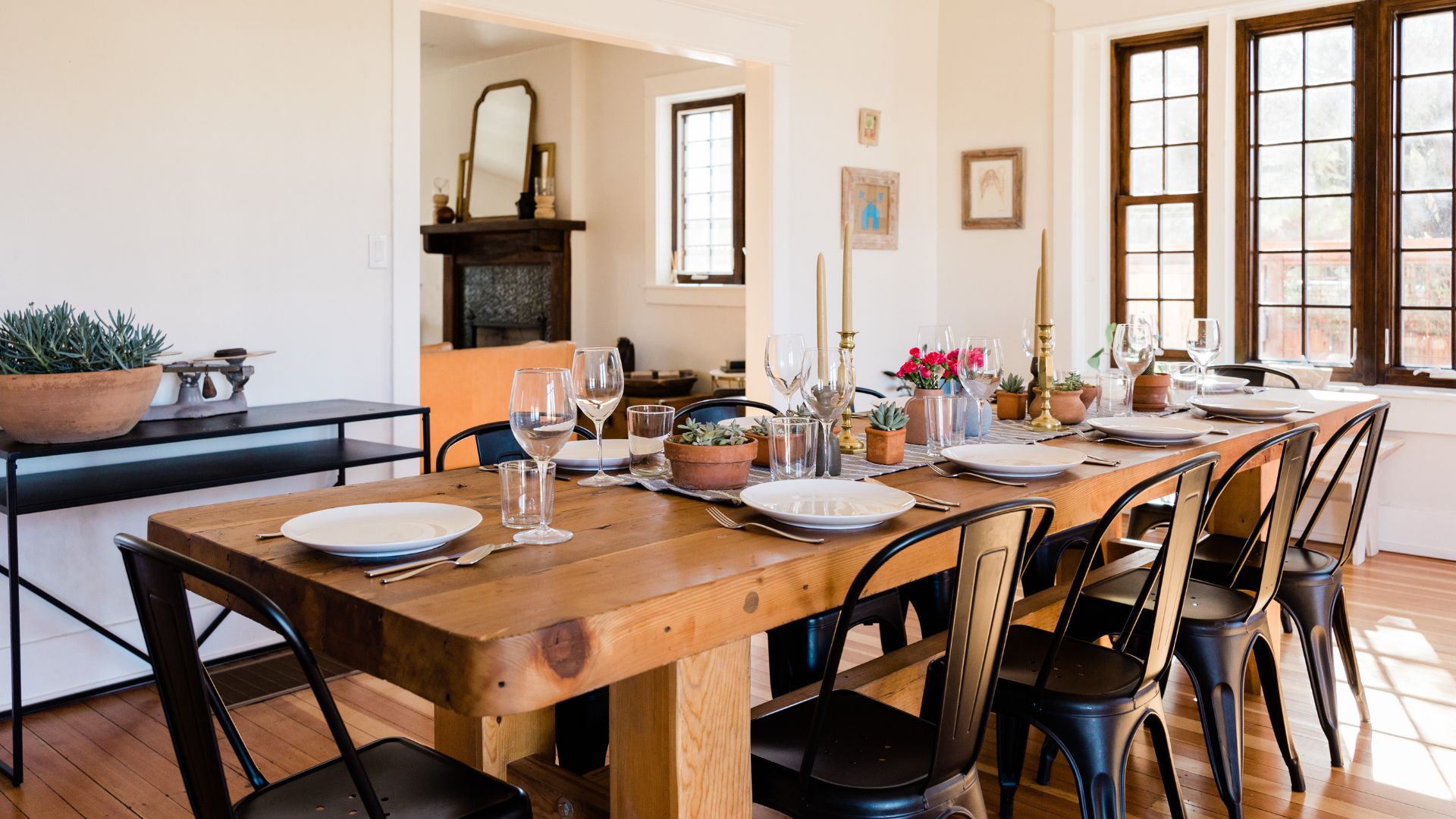
Begin by measuring the length and width of your dining area. Use a tape measure to record the wall-to-wall dimensions and note any architectural features, like windows or built-ins, that could affect placement.
To ensure your farmhouse dining room table fits comfortably, allow for at least 36 to 48 inches of clearance on all sides. This space accommodates chairs, walkways, and movement around the table.
For example, if your room is 12 by 14 feet, subtracting 6 to 8 feet (for clearances) gives you an ideal table size of around 4 by 6 feet. Always double-check these measurements before shopping or ordering.
The size and shape of your farmhouse dining room table should reflect both your space and your lifestyle. Standard rectangular tables remain the most popular, offering flexible seating for families and guests. Round and oval tables are great for smaller rooms or more intimate meals, while square tables suit compact spaces.
Here’s a quick reference for standard table sizes and seating:
|
Table Size |
Shape |
Seats |
|---|---|---|
|
48–60" |
Round |
4–6 |
|
60–72" |
Rectangular |
6–8 |
|
72–96" |
Rectangular |
8–10 |
|
54" |
Square |
4–6 |
Consider table height as well. Most farmhouse dining room tables are 30 inches high, which pairs well with standard chairs. Counter-height tables (36 inches) are less common but can add a casual feel.
If you need inspiration for different sizes and styles, the Rustic Dining Tables Collection offers a curated look at what’s available for every room size and seating need.
After choosing your farmhouse dining room table, focus on placement. Center the table in the room, aligning it with overhead lighting for a balanced look. If your space is open concept, use area rugs to visually define the dining zone.
Ensure there’s enough room for chairs to slide out easily. Keep paths clear so guests can move comfortably from the kitchen or living area. In dedicated dining rooms, position the table to maximize natural light and create an inviting focal point.
If you love entertaining, look for a farmhouse dining room table with extension leaves or butterfly mechanisms. These features let you expand your table for holidays or gatherings, then shrink it back for daily use.
Bench seating is a popular way to maximize space, especially in smaller rooms. Benches slide under the table when not in use and can accommodate more guests than individual chairs.
Typical extension leaves add 12 to 24 inches to your table’s length, providing room for two or more additional seats. Flexible seating ensures everyone feels welcome, no matter the occasion.
Avoid overcrowding your dining area with a table that’s too large. Conversely, a table that’s too small can feel lost and underwhelming.
Don’t forget to account for traffic flow and chair clearance. Comfort should always be a priority when selecting your farmhouse dining room table.
Selecting the right materials and construction for your farmhouse dining room table is essential for both style and longevity. The choices you make now will determine how your table looks, feels, and performs for years to come. Let us break down what to look for so you can invest with confidence.

When choosing a farmhouse dining room table, the material is your foundation. Solid wood is the gold standard for its durability, repairability, and authentic feel. Oak, maple, and pine are common choices, each offering unique grain and character. Veneer tables, which use a thin layer of real wood over plywood or MDF, offer affordability and stability but may not last as long as solid wood. Engineered woods can mimic the look of real wood while providing resistance to warping. For an in-depth look at quality materials and step-by-step construction, consult this helpful Farmhouse Dining Table Materials and Construction Techniques guide. Your choice of material will directly impact the longevity and beauty of your farmhouse dining room table.
|
Material Type |
Durability |
Repairability |
Cost |
Appearance |
|---|---|---|---|---|
|
Solid Wood |
High |
High |
$$$ |
Natural |
|
Veneer |
Medium |
Low |
$$ |
Consistent |
|
Engineered Wood |
Medium |
Low |
$ |
Varied |
The wood species you select for your farmhouse dining room table will influence its appearance and performance. Oak stands out for its strength and pronounced grain, making it a classic favorite. Maple offers a smooth finish and lighter tone, ideal for bright, airy spaces. Pine brings rustic charm with its knots and affordability, while reclaimed barnwood appeals to those seeking sustainability and history. Walnut and cherry are premium choices, prized for their rich color and fine grain.
Oak: Durable, classic, visible grain
Maple: Smooth, light, modern feel
Pine: Rustic, budget-friendly, knotty
Reclaimed barnwood: Eco-conscious, unique character
Walnut/cherry: Luxurious, deep hues
Choosing the right wood ensures your farmhouse dining room table complements your style and meets your daily needs.
How your farmhouse dining room table is built matters just as much as the materials used. Look for joinery techniques such as mortise-and-tenon or dovetail joints, which provide superior strength compared to screws or simple fasteners. Quality craftsmanship means tighter joints, level surfaces, and a table that stands up to everyday use. Handmade tables often feature visible joinery and subtle imperfections that add to their charm, while mass-produced options may rely on less durable shortcuts. Ultimately, strong joinery extends the life of your farmhouse dining room table and ensures it remains sturdy for generations.
The finish you select will protect your farmhouse dining room table from daily wear and tear. Water-based finishes are popular for their low odor and quick drying, while oil-based finishes offer a deep, rich look and enhanced durability. Distressed and matte finishes are trending for 2026, providing a lived-in feel that hides minor scratches. Gloss finishes add shine but may show fingerprints more easily. Regular maintenance, such as wiping up spills promptly and using placemats, helps preserve the finish and keeps your farmhouse dining room table looking its best.
Sustainability is increasingly important for those selecting a farmhouse dining room table. Opt for reclaimed or FSC-certified wood to reduce environmental impact. Low-VOC finishes support better indoor air quality, especially in homes with children or pets. Supporting local artisans and American-made craftsmanship not only ensures quality but also reduces the carbon footprint of your purchase. By choosing eco-friendly materials and finishes, your farmhouse dining room table becomes both a beautiful centerpiece and a responsible investment in your home.
Choosing the right farmhouse dining room table is about more than visual appeal. It involves reflecting on how you live, entertain, and express your style. This section will guide you through aligning your table choice with both your lifestyle and your home's unique character.
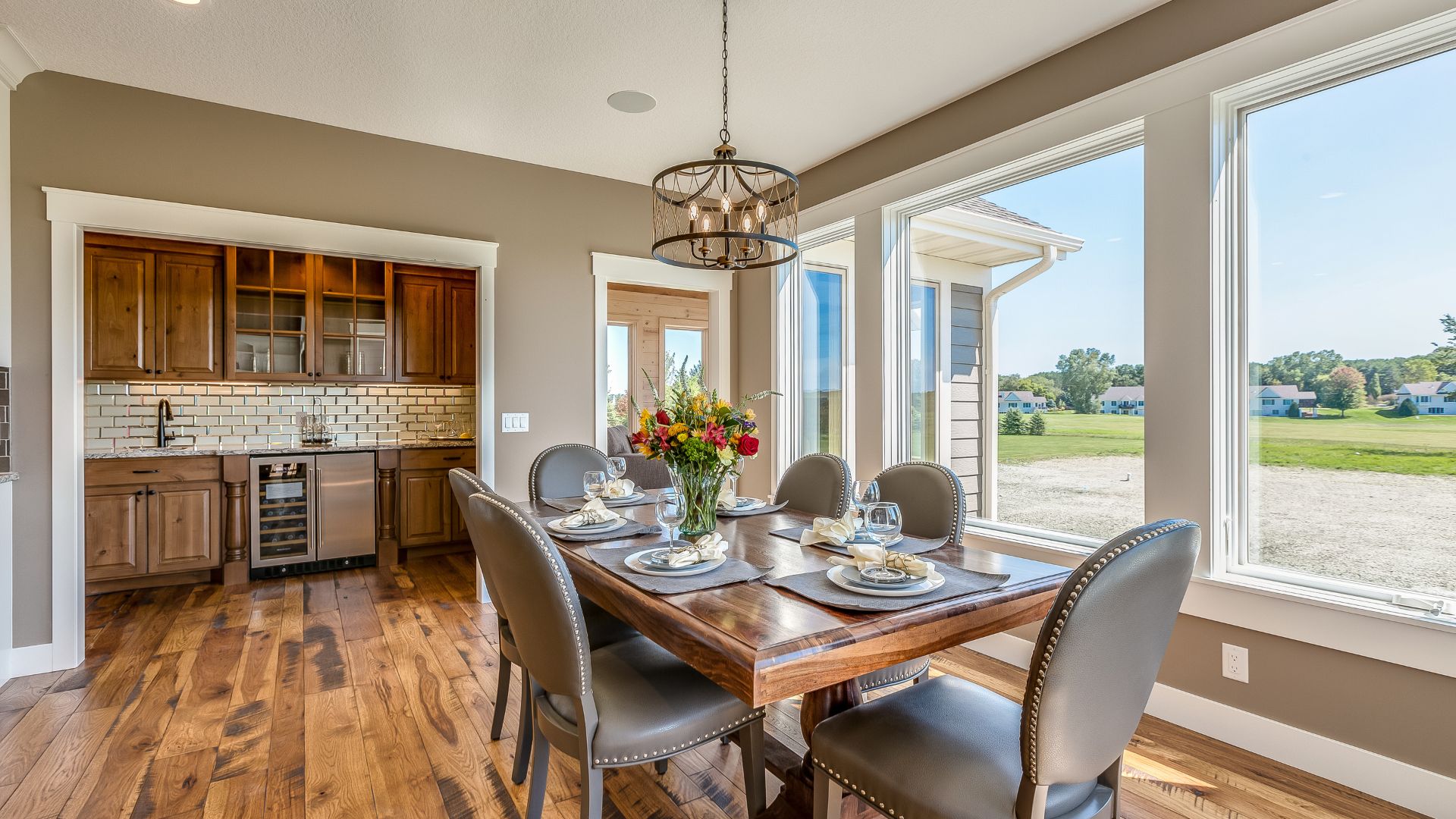
Begin by considering how your family uses the dining space daily. Is your farmhouse dining room table the hub for everyday meals, or do you host large gatherings frequently? Families with children or pets may prioritize durability and easy-to-clean finishes.
If your dining area doubles as a workspace or craft zone, look for tables with sturdy surfaces and flexible seating. Write down your must-haves to clarify what features matter most. This step ensures your farmhouse dining room table fits your lifestyle, whether for quiet breakfasts or festive celebrations.
Matching your farmhouse dining room table to your current decor creates a harmonious look. Start by assessing the wood tones, finishes, and style elements in your room. If you have modern lighting or classic cabinets, choose a table that complements those features.
Mixing styles is popular in 2026, so don't hesitate to pair a rustic table with contemporary chairs or vice versa. For inspiration and a wide array of options, explore the Rustic Dining Room Furniture Collection, which showcases tables that suit various farmhouse aesthetics. By blending textures and finishes, your farmhouse dining room table becomes the natural centerpiece of your space.
Color and finish set the mood for your dining room. In 2026, trending farmhouse dining room table finishes include muted whites, warm grays, and rich natural wood stains. Painted tables add personality, while stained wood highlights grain and craftsmanship.
Consider the hardware as well. Iron or brushed metal accents can lend an industrial edge, while wooden knobs keep things classic. Select a finish that balances maintenance with style, ensuring your farmhouse dining room table stands up to daily use while matching your decor.
The right accessories elevate your farmhouse dining room table. Choose seating that enhances comfort and complements the table's design. Benches are ideal for casual, space-saving setups, while upholstered chairs offer extra support for long dinners.
Layering with table runners, centerpieces, and seasonal decor adds charm and personality. Swap out accessories throughout the year to refresh your dining space. Thoughtful accessorizing ensures your farmhouse dining room table remains both functional and inviting for every occasion.
Shopping for the right farmhouse dining room table can feel overwhelming with so many choices available. Understanding where to shop and what to look for makes the process much smoother. This section breaks down your options, ensuring you make a confident, informed purchase.
When buying a farmhouse dining room table, you can choose between online platforms and brick-and-mortar stores. Shopping online offers convenience and a broader selection, letting you compare models, prices, and reviews from home. However, it can be challenging to assess wood quality or finish colors through a screen.
In-store shopping allows you to touch and see the farmhouse dining room table in person, check for sturdiness, and visualize it in your space. Before buying online, carefully review product photos, customer ratings, and return policies. For large tables, check shipping options and costs to avoid surprises.
Not all farmhouse dining room tables are created equal. Assessing quality starts with the materials, construction techniques, and finish. Look for solid wood or high-quality veneers, sturdy joinery, and smooth, even finishes. If possible, ask about the table’s origin and craftsmanship.
A genuine farmhouse dining room table should feel substantial and have secure hardware. For a deeper dive into identifying authentic rustic pieces, visit the Ultimate Guide to Rustic Dining Tables. This resource offers expert insights on evaluating construction, finishes, and design elements that define true farmhouse style.
Prices for a farmhouse dining room table can vary widely depending on size, materials, and craftsmanship. Entry-level models, often made with engineered wood, may start around $400, while solid wood or handcrafted tables can range from $1,200 to $3,500 or more. Custom tables may exceed this range, especially with unique finishes or reclaimed wood.
|
Table Type |
Price Range |
|---|---|
|
Engineered Wood |
$400 - $900 |
|
Solid Wood |
$1,200 - $2,500 |
|
Handcrafted Custom |
$2,500+ |
Remember to factor in shipping or delivery fees, which can be significant for larger tables.
Customizing your farmhouse dining room table allows you to select wood species, finishes, and dimensions that fit your unique space. Custom orders usually involve a consultation to finalize details and may require a deposit. Lead times for custom tables in 2026 typically range from 8 to 16 weeks, depending on complexity and the builder’s schedule.
Ask about warranty options and what’s included in the price, such as matching benches or protective coatings. Custom tables are ideal for those wanting a truly personalized dining experience.
Once you’ve selected your farmhouse dining room table, consider delivery and setup options. Many retailers offer curbside, inside delivery, or white glove service, which includes assembly and placement in your home. White glove delivery is especially valuable for large, heavy tables that are difficult to maneuver.
Before delivery, measure doorways and hallways to ensure a smooth process. Confirm whether assembly is included or if you’ll need tools and assistance. Proper delivery and setup protect your investment and ensure your new table is ready for years of gatherings.
A farmhouse dining room table is an investment meant to last for years and serve as the centerpiece of your home. Proper care and routine maintenance will keep your table looking beautiful and functioning well, ensuring that it remains a gathering place for family and friends for generations.
Maintaining the beauty of your farmhouse dining room table begins with daily care. Wipe the surface with a soft, damp cloth to remove crumbs and dust. Avoid harsh chemicals or abrasive cleaners, as they can damage the protective finish.
To protect your table, use placemats, coasters, and trivets under hot dishes. Clean up spills immediately to prevent moisture from seeping into the wood. For sticky spots, a mild soap and water solution is safe for most finishes. Regular dusting will keep the surface free of debris and help preserve the table’s natural luster.
Even with careful use, your farmhouse dining room table may experience scratches, dents, or stains over time. Prevent these issues by using felt pads under decorative items and avoiding dragging heavy objects across the surface.
Small scratches can often be touched up with a matching wood marker or wax stick. For minor dents, placing a damp cloth over the area and gently applying heat with an iron can sometimes raise the wood. If you encounter more significant damage, consider consulting a professional or exploring a DIY Farmhouse Table Building Guide for refinishing tips. Addressing issues early helps prevent long-term deterioration.
Wood naturally expands and contracts with changes in humidity and temperature. To keep your farmhouse dining room table in top condition, maintain consistent indoor humidity between 40% and 55%. Use a humidifier in dry climates or during winter, and a dehumidifier if your home is prone to excess moisture.
Avoid placing your table near direct heat sources or in direct sunlight, which can cause warping or fading. In areas with fluctuating weather, consider using a tablecloth or protective cover during extreme conditions. Seasonal care ensures your table remains stable and attractive throughout the year.
With regular attention, your farmhouse dining room table can become a cherished family heirloom. Apply furniture polish or wax every few months to nourish the wood and enhance its finish. Inspect joints and hardware periodically, tightening screws or bolts as needed.
If your table is constructed from solid wood, periodic refinishing can restore its original beauty and extend its lifespan. Many families pass down farmhouse dining room tables for generations, thanks to their durability and rustic appeal. Investing in proper care now will ensure your table continues to be a source of pride and connection for years to come.
The farmhouse dining room table continues to evolve as a centerpiece of style and function. In 2026, new influences shape how homeowners choose, customize, and enjoy their tables. Let us explore the top trends that will define the farmhouse dining room table for the coming year.
In 2026, the farmhouse dining room table embraces both tradition and innovation. Designers are introducing new shapes, such as oval and gently curved ends, to soften the classic rectangular profile. Mixed materials are on the rise, with combinations like wood and metal or stone accents adding a fresh twist.
Technology is subtly making its way into farmhouse tables, offering integrated charging ports or discreet storage solutions. Trending finishes include muted stains, matte surfaces, and hardware with a vintage feel. For a broader view on what is influencing dining spaces, see 2026 Dining Room Trends and Styles, which highlights the latest colors and materials inspiring today's farmhouse dining room table.
Homeowners are showing a growing preference for eco-friendly farmhouse dining room table options. Reclaimed wood remains a favorite, valued for its character and environmental benefits. Many buyers seek tables crafted from FSC-certified lumber, ensuring responsible forestry practices.
Low-VOC finishes are now standard, supporting healthier indoor air quality. Brands leading the market focus on transparency, from sourcing materials to using non-toxic glues and finishes. The farmhouse dining room table is becoming a statement of both style and sustainability, reflecting consumers' desire to make responsible, long-lasting choices.
Customization is more accessible than ever for those seeking a unique farmhouse dining room table. Bespoke options include selecting wood species, finishes, and even edge profiles. Engraved family names, special dates, or inlaid patterns add personal significance.
Seating also offers room for creativity. Some opt for matching benches, while others explore mixed seating for a curated look. For inspiration on bench options that complement your farmhouse dining room table, explore Rustic Wood Dining Benches to find styles that fit your needs and vision.
Social media continues to shape the farmhouse dining room table market. Platforms like Instagram and Pinterest are filled with images of beautifully styled tables, often featuring collaborations with well-known interior designers. Viral trends—such as painted bases with natural wood tops—spread quickly, inspiring homeowners to try new looks.
Designer partnerships with furniture makers are resulting in limited-edition tables with unique finishes and hardware. As a result, the farmhouse dining room table is not only a functional piece but also a canvas for creativity, reflecting both personal taste and the latest design movements.


